


A critical mission: Recycling critical minerals can offer near-term cushion
What makes recycling particularly urgent is the long gestation period associated with mining and exploration
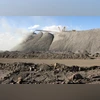 "Rare earth mineral mining in Inner Mongolia, China. In April, China stopped almost all shipments of critical minerals that are needed for cars, jet fighters and other technologies. | Image Credit: Reuters")
premium
To be fair, recycling critical minerals is no silver bullet. But securing critical minerals by coupling mineral security with green goals is the key to India’s clean-energy transition, digital future, and strategic autonomy. | Image Credit: Reuters
Listen to This Article
The Union Cabinet’s approval of a ₹1,500 crore incentive scheme to build recycling capacity for critical minerals marks a forward-looking and well-timed intervention in India’s resource security strategy. Envisaged under the National Critical Minerals Mission (NCMM), the scheme, running from 2025-26 to 2030-31, aims to recover valuable minerals from secondary sources such as ewaste, lithium-ion battery scrap, and catalytic converters in end-of-life vehicles. The importance of this initiative cannot be overstated. Critical minerals like lithium, cobalt, nickel, and rare-earth elements form the backbone of clean-energy technologies, advanced electronics, defence applications, and high-end manufacturing. Yet, the country remains overwhelmingly dependent on imports. Recognising this vulnerability, the government has identified 30 critical minerals and rolled out a multipronged strategy, spanning domestic exploration, auctioning new mineral blocks, acquiring assets abroad, and, now, large-scale recycling.