


A safe place for women: Military needs greater gender sensitisation
The military's growing number of women officers highlights the need for gender sensitisation. Recent harassment cases show systemic flaws that must be addressed for true gender equality
 "Indian Army women soldiers")
premium
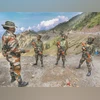
File photo of Indian Army’s women soldiers patrolling Sadhna Pass in Kupwara district, Kashmir | PTI
Listen to This Article
Accusations of rape and sexual harassment by a wing commander posted at the Indian Air Force Station, Srinagar, underscore the urgent need for greater gender sensitisation in the security and armed forces, which have started admitting women in larger numbers. The Air Force admits women in combat roles, so the issue of integration is not merely a social necessity but a security imperative as well. The fact that the victim had to approach the Jammu and Kashmir Police for redress points to the multiple organisational deficiencies that led to this outcome. The victim’s complaint reportedly showed that the base reflected all the infirmities of a male-dominated work environment. First, she stated, the sexual assault followed two years of harassment and mental torture by the authorities. The victim said her complaint of a sexual assault after a New Year’s party at the Officers’ Mess on January 1 this year was not taken seriously.
Topics : Army Gender equality Defence Indian military