If this deal is agreed upon, it would be another successful use of the size of India’s internal market as a magnet for large manufacturing firms. The most well-known example of this, of course, is the move by Apple and its subcontractors towards manufacturing some of their phones in India. In Tesla’s case, it is unlikely that the exceptions to Customs duties will be made for one company alone, but will have criteria that could apply to all electric vehicle (EV) manufacturers. But there will be little doubt that they will have been chosen to meet one company’s concerns and criteria in particular. Tesla cars are, in any case, at the top end of the market for EVs and are hardly likely to be the ones that are widely adopted in India. Furthermore, given the large number of companies from China that are successful EV manufacturers but might be prohibited by other regulations from investing in India, this will indeed be seen as amounting to making an exception for a single company. Such exceptions are generally bad policy and an invitation to rent-seeking in the future. They give rise to policy uncertainty, which the government has otherwise said it seeks to avoid. It can also be reasonably asked whether the Government of India should change its tariff or tax policy on the basis of an agreement with, essentially, an individual like Mr Musk. The Tesla owner’s willingness to abide by commitments is questionable, given the public record — so perhaps providing concessions now in return for later action may not be the most sensible of choices.
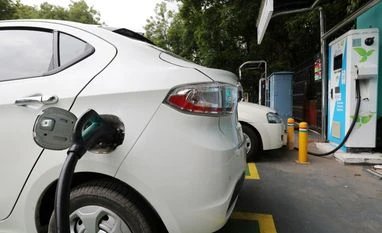
The government has rightly identified EVs as a sector of focus for both future domestic demand and for manufacturing capacity. But it should make sure that it gets the policy mix right, keeping in mind the requirements of climate change, access to mobility, and fairness to existing manufacturers. The subsidy mix provided to consumers who purchase EVs will have to be continually reviewed as the cost structure and size of the industry change and the obvious cost advantages users enjoy over time. Meanwhile, the government should also move forward swiftly on enabling the supportive infrastructure, such as charging stations, which will allow demand for EVs to take off. That would be a more sustainable policy than exceptions for one company.


 "electric vehicle batteries, electric vehicle, EV")