


In war and peace, national unity also means rejecting divisive forces
It is reasonable to assume that the security establishment is also assessing every aspect to plug gaps, if any, and further improve preparedness for the future
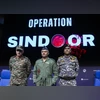 "Lt General Rajiv Ghai, Rajiv Ghai, AK Bharti, AN Pramod, Operation Sindoor")
premium
New Delhi: Director General of Military Operations (DGMO) Lt General Rajiv Ghai with Air Marshal AK Bharti and Vice Admiral AN Pramod during a press conference on 'Operation Sindoor', in New Delhi, Monday, May 12, 2025.(Photo: PTI)
Listen to This Article
The events of the past three weeks or so will find a special place in India’s contemporary history. The April 22 terrorist attack in Pahalgam, in which 26 persons were killed, shocked the nation. Although the actual perpetrators of the attack have not been caught, the security establishment had enough to connect the dots to Pakistan and Pakistan-based terrorist outfits. The political Opposition chose to support the government in any action it deemed appropriate. In the early hours of May 7, Indian armed forces launched Operation Sindoor and targeted terrorist infrastructure in nine locations in both Pakistan and Pakistan-occupied Jammu & Kashmir. The operation was precise, targeted, and non-escalatory in nature. However, Pakistan escalated the situation, forcing Indian forces to respond. Indian forces inflicted significant damage to military assets in Pakistan. Since the Indian armed forces had attained the initial objectives, India decided to suspend the operations on Pakistan’s appeal.