Given the explosive growth of the Indian aviation industry, these new rules, which align with best practices set by the International Civil Aviation Organization, are critical. They principally address the issue of pilot fatigue, which is said to account for almost 20 per cent of human error in fatal accidents globally. The flight duty time limitation (FDTL) stipulates 48 hours’ consecutive weekly rest; restricts to two the number of night landings, the definition of which covers midnight to 6 am against 5 am earlier; and limits the amount of consecutive night duty. This apart, pilots are not allowed to fly more than one hour (that includes the time for pre- and post-flight duties) in addition to the flight hours, and those flying ultra-long haul routes require an additional 24-hour rest period between two consecutive flights.
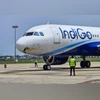
It is easy to see that these rules require airlines to accelerate their pilot and crew hiring programmes. In fact, the FDTL norms are not the only compulsion to do so. High fleet growth — with IndiGo placing orders for more than 1,000 aircraft, Air India about 500, and smaller airlines also expanding — is expected to see demand for trained pilots soar to over 20,000 in the near future. The current “shortage” of pilots is less a result of supply-demand mismatches than of periodic slowdowns in hiring by airlines in response to cyclical demand, which prompts large airlines such as IndiGo to pursue a lean manpower strategy across departments. The Federation of Indian Pilots has accused the airline of imposing a hiring freeze and has urged the DGCA not to approve airlines’ seasonal flight schedules unless they have adequate staff to operate their services “safely and reliably” under the new FDTL norms.
Though there may be some merit in this argument, especially given that other airlines do not appear to have suffered problems on a similar scale, the airline could also point to the quality of pilots graduating from training schools as a deterrent to faster hiring. Earlier this year, the DGCA’s first ever ranking of flying-training organisations revealed that none achieved top ranking (A or A+) and most fell into the B and C brackets. This implies that even if airlines were to hire on a regular basis, their ability to do so is constricted by quality constraints as well as bearing the costs of either training newly hired pilots or hiring expensive foreign talent. All told, the crisis points to the need for a broader focus on human-resource needs in aviation, its availability, and training.


 "IndiGo, Bird Strike")