


Known unknowns in Gaza: Lack of clarity mars Trump's ambitious peace plan
Hamas rejects Trump-led peace plan as doubts linger over hostages, Israeli withdrawals, and post-war governance in Gaza, casting uncertainty over durable peace
 "gaza")
premium
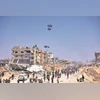
Hamas has described the plan, drawn up between Israel and the US without Hamas participation, as “absurd”. (Photo: Reuters)
Listen to This Article
Despite the celebrations erupting when United States (US) President Donald Trump announced a ceasefire between Israel and Hamas, signs of the 20-point peace plan fraying at the edges are already evident. Hamas leaders have announced that they will not be involved in the official signing of the peace plan, which Mr Trump will be attending with Egyptian President Abdel Fatah al-Sisi and various world leaders in attendance at Sharm el-Sheikh on Monday. Hamas has described the plan, drawn up between Israel and the US without Hamas participation, as “absurd”. As Palestinians return to their pulverised homes from areas that the Israeli Defence Forces have begun vacating, peace in the short run is contingent on what happens in the 72 hours after the ceasefire starts. In the longer run, there appear to be too many obstacles and much lack of clarity for the plan to offer a durable peace for the region.