The study highlights a decline in chronic poverty and the increasing prevalence of transient poverty — where households oscillate in and out of poverty over time. It categorises households that frequently experience such fluctuations as “vulnerable”, situating them between the poverty line and up to 200 per cent above the poverty line. Several academic studies have provided empirical evidence identifying a range of factors that elevate the likelihood of vulnerability. For instance, having a large number of children or dependent individuals within a household, or the condition of landlessness, significantly increases the probability of vulnerability. Moreover, external shocks such as natural disasters, the death or illness of the primary breadwinner, and shifts in occupation-specific opportunities can push households into poverty at any given time. Further, it has been observed that households belonging to socially and economically disadvantaged groups, such as Scheduled Castes and Scheduled Tribes, or minority communities, face a markedly higher risk of vulnerability.
The research highlights the dynamic nature of poverty and emphasises the imperfections in the current system of targeting social-security measures. The existing system of targeting based on below-poverty-line (BPL) indicators has inherent limitations that hinder its effectiveness. First, there is significant debate regarding the poverty line itself. Critics contend that the poverty line is defined at an arbitrarily low threshold, which only ensures bare subsistence. Although the recent release of the Household Consumption Expenditure Survey numbers may address some aspects of this debate, it remains to be seen if it resolves the underlying issue. Secondly, given the dynamic nature of poverty, particularly among vulnerable groups, not having timely data affects outcomes.
Infrequent surveys fail to capture the real-time shifts and changes in the economic conditions of households, thereby rendering the targeting mechanism insufficient in addressing the evolving landscape of poverty. Additionally, various benefits are associated with holding a BPL card, regardless of whether the individual is truly poor, vulnerable, or relatively affluent, highlighting the systemic flaws and potential misallocation of resources in the current targeting system. India needs better systems to address the needs of vulnerable populations. This may require redesigning social-safety nets to be more inclusive. Steps should include gathering panel data on vulnerable groups, developing comprehensive monitoring strategies, and integrating risk insurance carefully. Flexibility in programme design can improve underperforming initiatives while creating employment opportunities remains essential. Evolving social-safety nets to match changing economic dynamics is crucial for India’s pursuit of equitable and balanced development.


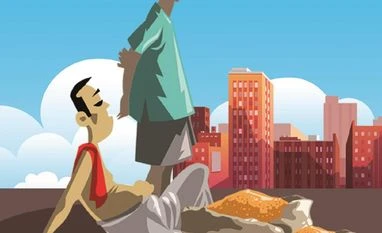 "In 9 years, 248 mn moved out of multidimensional poverty: NITI Aayog")