


The secondary sex
Parties should have given the election ticket to more women
 "election , election logo")
premium
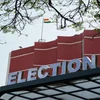
New Delhi: Election Commission of India (ECI) office at Nirvachan Sadan, in New Delhi, Thursday, March 21, 2024. (Photo: PTI)
Listen to This Article
Women have been front and centre of the campaign for the upcoming parliamentary elections, with every party tailoring its poll promises to the needs of women, who account for nearly half the country’s 968 million voters. The Bharatiya Janata Party (BJP), the ruling party, and the principal national Opposition party, the Congress, have been in a competitive race to attract this section of the electorate. Where the BJP-led government has broad-based women-focused health, education, and other programmes, the Congress has offered the Nari Nyay scheme, promising Rs 1 lakh per annum in women’s bank accounts and 50 per cent reservation in all recruitments in central-government jobs. Though the practicality of such extravagant promises remains an open question, it is striking how far political rhetoric lags practice for all parties. This point has become particularly moot after a special session of Parliament last year passed the 106th Amendment Act, popularly known as the Women’s Reservation Bill, reserving 33 per cent of seats in Parliament for women for 15 years. Since this provision will become operational after the delimitation exercise, all political parties have ample time to prepare their electoral rolls for this eventuality. Yet, in an unconscious demonstration of the lip service that political parties tend to pay to women’s issues, no key party has an equivalent proportion of women on their party lists even now.