US opens probe into 30 million vehicles over air bag inflators
The 30 million vehicles include both vehicles that had the inflators installed when they were manufactured as well as some inflators that were used in prior recall repairs, NHTSA said in the document
Reuters WASHINGTON U.S. auto safety investigators have opened a new probe into 30 million vehicles built by nearly two dozen automakers with potentially defective Takata air bag inflators, a government document seen by Reuters on Sunday showed.
The National Highway Traffic Safety Administration (NHTSA) on Friday opened an engineering analysis into an estimated 30 million U.S. vehicles from the 2001 through 2019 model years. Automakers were alerted to the investigation, which is not yet public.
The new investigation includes vehicles assembled by Honda Motor Co, Ford Motor Co, Toyota Motor Corp, General Motors Co, Nissan Motor, Subaru, Tesla, Ferrari NV , Nissan Motor, Mazda, Daimler AG, BMW Chrysler (now part of Stellantis NV), Porsche Cars, Jaguar Land Rover (owned by Tata Motors) and others.
The automakers on Sunday either declined to comment before NHTSA's expected public announcement on Monday, or did not immediately respond to requests for comment. NHTSA declined to comment.
The 30 million vehicles include both vehicles that had the inflators installed when they were manufactured as well as some inflators that were used in prior recall repairs, NHTSA said in the document.
Over the last decade, more than 67 million Takata air bag inflators have been recalled in the United States -- and more than 100 million worldwide -- in the biggest auto safety callback in history because inflators can send deadly metal fragments flying in rare instances.
There have been at least 28 deaths worldwide, including 19 in the United States tied to faulty Takata inflators and more than 400 injuries.
The 30 million vehicles that are part of the new investigation have inflators with a "desiccant" or drying agent. According to the document, NHTSA said there have been no reported ruptures of vehicles on the roads with air bag inflators with the drying agent.
"While no present safety risk has been identified, further work is needed to evaluate the future risk of non-recalled desiccated inflators," NHTSA said in opening its engineering analysis seen by Reuters. "Further study is needed to assess the long-term safety of desiccated inflators."
NHTSA has said the cause of the inflator explosions tied to the recall of 67 million inflators that can emit deadly fragments is propellant breaking down after long-term exposure to high temperature fluctuations and humidity. The agency has required all similar Takata without a drying agent to be recalled.
In the United States, 16 deaths in Honda vehicles have been reported, two in Ford vehicles and one in a BMW, while 9 other Honda deaths occurred in Malaysia, Brazil and Mexico.
NHTSA did not immediately release a breakdown of how many vehicles per manufacturer are covered by the probe.
The safety agency said the investigation "will require extensive information on Takata production processes and surveys of inflators in the field."
Earlier this year, NHTSA said of the 67 million recalled inflators, approximately 50 million have been repaired or are otherwise accounted for.
(Reporting by David Shepardson; editing by Diane Craft)
(Only the headline and picture of this report may have been reworked by the Business Standard staff; the rest of the content is auto-generated from a syndicated feed.)

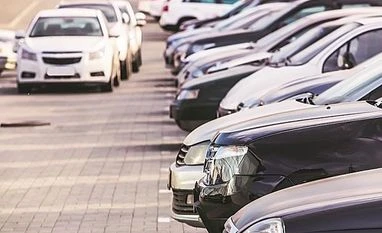 "US opens probe into 30 million vehicles over air bag inflators")


 Connect with us on WhatsApp