Bitter medicine for pharma regulation

The Gambian tragedy has raised uncomfortable questions about drug regulation in India. The Truth Pill is a depressing but eye-opening reality check of the regulatory landscape
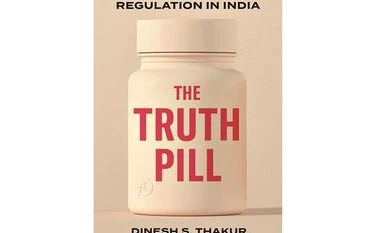
book review
The Truth Pill: The Myth of Drug Regulation in India
Prosenjit Datta
5 min read Last Updated : Dec 28 2022 | 11:03 PM IST
The Truth Pill: The Myth of Drug Regulation in India
Authors: Dinesh S Thakur and Prashant Reddy T
Publisher: Simon & Schuster India
Pages: 500
Price: Rs 899

The Gambian cough syrup tragedy that resulted in the deaths of 70 children has not receded from the Indian newspapers yet. The latest reports in newspapers suggest that a select committee of the Gambian National Assembly has concluded that the deaths due to acute kidney failure in these children can be linked directly to their taking cough syrups manufactured by an Indian pharmaceutical firm, Maiden Pharmaceuticals. These cough syrups were found to be contaminated with Diethylene Glycol (DEG) and Ethylene Glycol.

The Gambian tragedy has raised uncomfortable questions again about the quality of drug regulation in India. When the children’s deaths in Gambia first made headlines, the reaction of both the company, Maiden Pharma, as well as the Indian drug regulator, the Central Drugs Standard Control Organisation, was largely defensive. Much was made of the fact that these contaminated cough syrups were not being sold in India — which was a very bad argument.

Over the past year, the quality and manufacturing practices of some Indian pharmaceutical firms have come under the scanner because of investigations by various countries — or even by the World Health Organization. This inevitably also brings to the limelight the role of the Indian regulatory authorities. If the problems at the regulatory front are not sorted out quickly, India’s reputation for manufacturing generics for the world will inevitably be hit hard.

The Gambian tragedy could have been averted. By coincidence, The Truth Pill begins with a similar tragedy in 2019 in India that resulted in deaths of many children in Jammu. Again, the investigation found that these children had died of kidney failure because of DEG -contaminated cough syrup made by another Indian firm. As Dinesh Thakur and Prashant Reddy T, the authors of The Truth Pill, point out, the Jammu deaths were not the first major DEG-contaminated cough syrup event in India either — their investigation showed there were at least five major DEG poisoning events recorded.

The unspoken conclusion is that there may have been many more incidents that escaped attention — and that such tragedies occur periodically because the Indian drug regulatory system is unable to solve this problem.

The Truth Pill  is an excellent and thoroughly researched book that is a valuable addition to the shelves of even those who track and write on the problems of the Indian pharma sector and its regulation regularly. It examines in great detail every rule and regulatory change in India, the hurdles state inspectors face, why so many cases of contamination or bad production in India do not get punished and how lightly repeat offenders get away.

It is a depressing story of regulatory loopholes, regulatory capture, lack of manpower and training among regulators and lobbying that prevents more stringent regulations from being put in place. Though India boasts of some of the most reputed multinational firms as well as giant Indian companies selling in the market, many of their products are actually made by small firms that do not have quality control systems in place. Nor do either big pharma or small firms care about the dangers to consumers taking contaminated or otherwise badly manufactured drugs. In some cases, the amount of the active ingredient required in batches sold to consumers is simply so low that it does nothing to cure the disease. In other cases, contamination ensures that consuming the drug is more harmful than good for the patient.

The book is an excellent read for all those who follow the subject because of its details and analysis. Mr Thakur is a well-known activist and advocate of reforms to the Indian drug regulatory system. Mr Reddy T is that rare breed — a trained lawyer and drug regulation activist— who has faced the ire of companies and bureaucracy in his crusade. Both men are threatened from time to time because of their stand and exposes of drug regulatory failures.

A caveat: Drug regulatory failures have taken place not just in developing and underdeveloped countries but in developed countries as well. So does lobbying by big pharma. Sometimes tragedies like the opiate crisis in the US can carry on for a long time before the law finally catches up with the offending drug companies and barons. The difference is that the developed nations often tighten regulatory systems and learn actively from their errors. Not so in many developed countries. Especially not so in India, if you read through the book.

Some of the scariest portions in the book relate to the regulatory stance towards Ayurvedic and other alternative systems of medicine. Among the most enjoyable was the chapter on how modern medicine regulation came about in developed countries following some of their own tragedies. The authors offer good suggestions for reforms. Many of these have been made earlier too. But much depends on how seriously the Indian government takes drug regulatory reform in India — and how strongly it can withstand lobbying pressures from big pharma. At the very least, the Indian drug regulator needs to understand one thing —  their actions and failures not only affect the lives of millions of Indians but also the reputation of the Indian drug industry in its dealings across the globe.

One subscription. Two world-class reads.

Already subscribed? Log in

Subscribe to read the full story →
*Subscribe to Business Standard digital and get complimentary access to The New York Times

Smart Quarterly

₹900

3 Months

₹300/Month

SAVE 25%

Smart Essential

₹2,700

1 Year

₹225/Month

SAVE 46%
*Complimentary New York Times access for the 2nd year will be given after 12 months

Super Saver

₹3,900

2 Years

₹162/Month

Subscribe

Renews automatically, cancel anytime

Here’s what’s included in our digital subscription plans

Exclusive premium stories online

  • Over 30 premium stories daily, handpicked by our editors

Complimentary Access to The New York Times

  • News, Games, Cooking, Audio, Wirecutter & The Athletic

Business Standard Epaper

  • Digital replica of our daily newspaper — with options to read, save, and share

Curated Newsletters

  • Insights on markets, finance, politics, tech, and more delivered to your inbox

Market Analysis & Investment Insights

  • In-depth market analysis & insights with access to The Smart Investor

Archives

  • Repository of articles and publications dating back to 1997

Ad-free Reading

  • Uninterrupted reading experience with no advertisements

Seamless Access Across All Devices

  • Access Business Standard across devices — mobile, tablet, or PC, via web or app

Topics :BOOK REVIEWbooksPharma sectorPharma CompaniesPharma salesdrug manufacturersDrug makers in India

Next Story



