3 min read Last Updated : Oct 29 2020 | 6:05 AM IST
India will have to get into a virtuous cycle of growth as it seeks to reboot economic activity, Sanjiv Mehta, chairman and managing director (MD) of Hindustan Unilever (HUL), said at a virtual summit organised by the Federation of Indian Chambers of Commerce and Industry (FICCI) on Wednesday.
Mehta said per capita consumption of FMCG products in rural areas was less than half of the total per capita FMCG consumption in India, which stood at $40. “There is a huge runway for growth in rural areas. The reforms on the agri side are in the right direction. There was need to remove intermediaries in the agri ecosystem. At the same time, providing a broad framework for contract farming is welcome,” he said.
If these reforms were implemented appropriately, Mehta noted that rural areas could continue growing over the long term. At the moment, rural growth, which had given a boost to FMCG sales in the September quarter, was driven largely by the government’s welfare push. Rural FMCG sales contribute 35-40 per cent to top line.
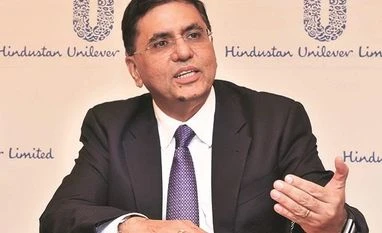
“It will be crunch time for most firms when welfare benefits are withdrawn in rural areas. Whether demand sustains or not in villages would be a key monitorable,” he said.
Analysts and economists have hinted that the momentum in rural areas will only last for a short duration. “I see rural growth sustaining for another season at best. That would mean about three to six months,” said Madan Sabnavis, chief economist, CARE Ratings.
The only hope then for FMCG firms would be to turn to the urban markets, which are expected to revive by the middle of 2021. A vaccine might be rolled out by then, increasing urban consumers’ confidence, sector analysts said.
Arvind Mediratta, MD and chief executive officer, Metro Cash and Carry India, said e-commerce and kiranas were two channels that had benefitted from the pandemic and that firms would need to invest in these areas for their next phase of growth. “Neighbourhood stores and online were two channels that consumers were turning to during the pandemic and this trend will sustain in the post-Covid world,” he said.
Raghava Rao, vice-president, finance and CFO, Amazon India, said the difference between the online and offline channels was rapidly melting and that traditional and modern retailers would need to collaborate to survive.
Rajat Wahi, partner, Deloitte India, said businesses would need to realign their priorities, enhance shopper experience, rebuild their distribution and seek omnichannel presence.
A report by Deloitte, released on Wednesday, said Indians remain the most anxious, though fears have reduced in the recent weeks as the daily count of fresh Covid-19 cases has reduced.
Indians, said Wahi, also remain apprehensive about visiting public places such as malls, restaurants, and hotels. “Footfalls would take time to return to pre-Covid levels.”




