Masayoshi Son, chairman and CEO of SoftBank Group Corp (left), with Nikesh Arora, then president and chief operating officer, during a news conference in Tokyo on May 10, 2016 Photo: Bloomberg
The Journal reviewed the complaint in India but the name is obscured. It was lodged with the Enforcement Directorate of the Indian Finance Ministry. The directorate didn’t respond to requests for comment about the complaint.
The complaint alleges Mr. Sama and former SoftBank president Nikesh Arora received kickbacks from companies SoftBank invested in as the firm poured money into lndian startups in recent years.
“None of the allegations contain even a shred of truth,” Mr. Arora said in a statement. Mr. Sama called the allegations “corporate terrorism masquerading as shareholder activism” and said they are based on “obvious untruths.”
The campaign amounts to “disgraceful corporate blackmail” or “sabotage,” said Ronald Fisher, a SoftBank director. “We have no understanding of what’s driving it.” SoftBank’s Indian investments were made in high-profile startups, including e-commerce company Snapdeal.com, ride-hailing service Ola and real-estate search portal Housing.com.
An Ola spokesman declined to comment. A Snapdeal.com spokeswoman didn’t immediately respond to a request for comment. A Housing.com spokeswoman declined to comment
In January, Housing.com merged with online real-estate firm PropTiger.com, which is backed by News Corp., the parent company of the Journal. A News Corp spokesman declined to comment.
Among the theories SoftBank management is considering is whether insiders could be involved in the campaign, according to people familiar with their probe. Some of the allegations rely on private documents, the people said, and may have been obtained via hacking.
SoftBank in October launched the Vision Fund, teaming with PIF, to create what could be a powerhouse investor in technology over the next decade. An announcement about the closing of the fund could come as early as this week, according to a person involved in the negotiations.
SoftBank last year assigned a committee of independent directors and the law firm of Shearman & Sterling LLP to investigate claims raised in the letters to the SoftBank board. The company said the probe found no evidence of wrongdoing. Another firm, Morrison & Foerster LLP, conducted a second, more recent investigation that reached the same conclusion, SoftBank said.
One of the allegations made in the complaint to India’s Enforcement Directorate is that Mr. Sama holds a personal investment connected to Raine Group, a U.S. merchant bank that consults for SoftBank.
SoftBank said its investigation found that Mr. Sama indeed held a stake in a Raine Group investment fund, and that it had been disclosed appropriately when he joined the company in 2015. SoftBank made a $150 million investment in Raine Group in February.
Mr. Sama’s investment has no connection to Raine’s advisory business that earns fees from working with SoftBank, said Jeff Sine, co-founder of Raine Group.
The allegations against Mr. Arora first surfaced last year, just under two years after he joined SoftBank as its No. 2 executive and potential successor to Masayoshi Son, the Japanese billionaire founder of the company.
Mr. Arora was hired away from Google Inc. He resigned abruptly last year after, he said, Mr. Son told him he wouldn’t swiftly step aside for Mr. Arora to become chief executive. His resignation came after the allegations surfaced.
A January 2016 letter, sent to SoftBank by Boies, Schiller & Flexner and made public by the law firm, alleged Mr. Arora had conflicts of interest related to Indian deals. The firm says it represented a group of anonymous investors in SoftBank and its subsidiary Sprint Corp.Mintz & Gold LLP, another law firm, later took over the matter.
Then, in October, Mr. Giannakopoulos sent a letter to Mr. Son saying he represented SoftBank shareholders concerned about Mr. Sama’s financial dealings, including payments made to him in connection with consulting on investments in the Indian companies.
The complaint sent to Indian authorities also points to those alleged payments. Other documents reviewed by the Journal show Mr. Sama was paid $250,000 a month by SoftBank for six months of work related to three SoftBank deals as well as a $3 million success fee, all through a British Virgin Islands company.
SoftBank said the arrangement had been disclosed and approved by Mr. Fisher, the SoftBank director. Mr. Fisher said he personally negotiated Mr. Sama’s increased compensation and that Mr. Sama’s work helped the company avoid substantial investment-banking fees.
Mr. Fisher said the investigation caused the board to have a broader “dialogue” that led to creating an independent compensation committee.
Source: Wall Street Journal

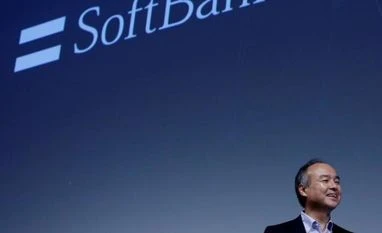 "As allegations swirl around SoftBank, it calls them 'sabotage'")











