
Infosys, TCS, Cognizant join WEF coalition to tackle workplace racism
Announcing the coalition during its week-long online Davos Agenda Summit, the WEF said it would work towards improving racial and ethnic justice in the workplace
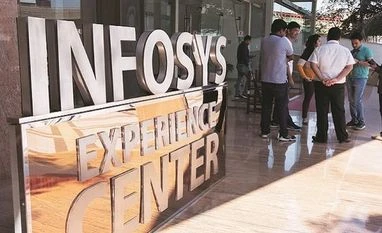 "Infosys, TCS, Cognizant join WEF coalition to tackle workplace racism")
WebinarsNew
Deep DiveNew
Explore Business Standard
Announcing the coalition during its week-long online Davos Agenda Summit, the WEF said it would work towards improving racial and ethnic justice in the workplace
Indian IT majors Infosys and TCS on Monday joined global giants like Microsoft, Facebook, Google and Bank of America in an international coalition launched by the World Economic Forum to tackle racism in workplaces.
Announcing the coalition during its week-long online Davos Agenda Summit, the WEF said it would work towards improving racial and ethnic justice in the workplace.
The founding members include 48 organizations representing 13 industries, with more than 55 lakh employees worldwide and with headquarters in three continents, the WEF said.
It further said companies must put racial and ethnic justice on their board's agendas, take at least one firm action and set a long-term strategy to become an anti-racist organization and build equitable and just workplaces for professionals with under-represented racial and ethnic identities.
Examples of business commitments towards racial and ethnic justice range from allocating financial and human resources to racial justice work, setting representation goals for all seniority levels, and establishing mentorship programmes for racially and ethnically diverse employees. One of the initiative's starting points will be Black inclusion and addressing anti-Blackness.
"With just 1 per cent of Fortune 500 companies led by Black chief executives, the need to tackle racial under-representation in business is urgent and obvious," WEF Managing Director Saadia Zahidi said.
The founding members of the coalition also include AP Moller-Maersk, AlixPartners, AstraZeneca, BlackRock, Bloomberg, Boston Consulting Group, Bridgewater Associates, Centene, Cisco, Cognizant, Dentsu International, Deutsche Bank, EY, H&M, Henry Schein, HP and IKEA.
Other members are Jacobs Engineering Group, Jefferson Health, Johnson & Johnson, Kaiser Permanente, Kearney, LinkedIn, ManpowerGroup, Mastercard, Mayo Clinic, McKinsey, Nestle, PayPal, Procter & Gamble, PwC, Salesforce, SAP, Standard Chartered Bank, Coca-Cola, Depository Trust & Clearing (DTCC), Thermo Fisher Scientific, Uber, Unilever, UPS and Willis Towers Watson.
The WEF said the COVID-19 pandemic continues to widen inequalities, with disproportionate repercussions for disadvantaged groups and minorities.
At the ongoing summit global leaders will discuss what policies, practices and partnerships are needed to embed equity and inclusion into our economic systems.
(Only the headline and picture of this report may have been reworked by the Business Standard staff; the rest of the content is auto-generated from a syndicated feed.)
First Published: Jan 25 2021 | 1:13 PM IST


 Connect with us on WhatsApp