Lenovo bets big on India with rebranding exercise
Smart-devices firm looks to reduce cross competition, consolidate portfolio to boost growth
Arnab Dutta New Delhi Since mid-2014, Chinese smart-devices company Lenovo has had a dream run in India — from not even being in the top five to becoming the third-largest smartphone seller in late 2015. The company is now preparing for the next round of the fight: it is currently rebranding its devices under its existing brands Vibe and Moto to reduce cannibalisation and consolidating its portfolio for better product management and positioning.
The rebranding exercise has been in the works for some time now. Vibe — a global Lenovo sub-brand, which caters to the mass segment of smartphones — was introduced in India a few months ago. Moto (formerly Motorola), which was acquired in a $2.9-billion deal from Google in 2014, will be positioned as a premium brand offering the latest technology. This will help the company reduce cross competition and confusion over its devices' focus.
The rebranding, say analysts, will only boost the company’s growth story.
Faisal Kawoosa, General Manager, Telecoms & SemiTronics, CMR, feels the company’s success is based on two factors. While Lenovo successfully established its brand and delivered superior products at the right price, its rivals’ inability to cope with the challenge helped it achieve such high growth, he says.
“Being a full-range player also helped Lenovo to win consumer trust, apart from hitting the right price point”, Kawoosa added. The success of other products like the laptops, personal computers (PCs) and tablets also helped the brand, while a fleet of new models during 2015 kept the buzz alive.
In the past six quarters, Lenovo (including Motorola) has not only gained market share — from less than 5% in June, 2014 to some 11% in December 2015 but also toppled home-grown Intex in the last quarter to be the third-largest smartphone vendor in India, reports from CyberMedia Research (CMR) and Canalys say. In fact, the company’s rise to the current spot began in 2015 when it became the fourth-biggest seller in September with a 9.5% market share.
Yuangqing Yang, chief executive, Lenovo, declared his bullish bets on India at the unveiling of the company’s new logo in November last year. It aims to become one of the top 20 companies in India with annual revenue of Rs 40,000 crore (US$ 6 billion) by 2018, he had said.
However, the battle is not over yet. The two market leaders, Samsung and Micromax, have a strong retail presence in the country. Other biggies such as Lava, Karbonn and Intex are strong in a market where brick-and-mortar stores still account for nearly 75% of the smartphone industry's revenue — a number which probably led the company to sell Moto smartphones through offline channels too. Adding to the challenge will be how to make Vibe a household brand, a feat that will be crucial if Lenovo wishes to hold on to its achievements so far.

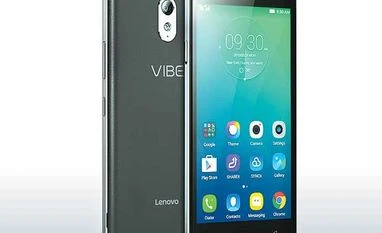 "Lenovo bets big on India with rebranding exercise")


 Connect with us on WhatsApp