
Media and entertainment sector ripe for mergers and acquisitions
Experts in consensus that such activity should be on the rise, led by digital, film and gaming segments
 "Media and entertainment sector ripe for mergers and acquisitions")
premium
WebinarsNew
Deep DiveNew
Explore Business Standard
Experts in consensus that such activity should be on the rise, led by digital, film and gaming segments
A panel of experts discussing the future of mergers and acquisitions (M&A) in the media and entertainment (M&E) sector was optimistic about deal activity and consolidation here.
While regulatory hurdles persist, the emergence of numerous digital platforms, rising popularity of gaming as a segment and investments in the film industry, the sector is looking at a healthy activity period.
Media veteran A P Parigi believes that in the past, M&A activity was impeded by a lack of willingness among banks to take risks in M&E. "With PEs (private equity investing entities) coming in, this changed. This and listing of companies brought in the risk capital to facilitate acquisition," he says.
Farokh Balsara, partner and M&E leader at consultants EY, says: "Segments that have done well (in terms of investment) like cable, DTH, etc, are where the government has increased the FDI (foreign direct investment) limits. These segments have seen a lot of investment. According to a Capital Confidence Barometer we conducted late last year, 97 per cent of respondents felt that the global economy was stabilising and 60 per cent felt it was time to make acquisitions in emerging markets like India."
Additionally, the proliferation of digital platforms has led the sector to a place where acquisitions will take place to ensure sustainability. Similarly, in film exhibition, operational issues could lead the smaller exhibitors to sell to bigger players.
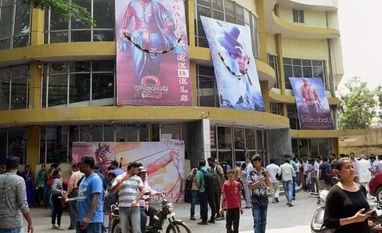
Alok Tandon, chief executive at Inox Leisure, says: "We are short currently of 9,000 (operational) screens. The growth since 2011 has come from multiplexes. Single screens do not have the convenience of programming multiple shows in a day and have around 1,000 seats per screen, very difficult to fill."
More, organic expansion by multiplexes is slowed by multiple hurdles on the regulatory front and to slowing in the mall development sector. So, multiplexes will look at inorganic expansion to strengthen their screen portfolios.
Challenges in terms of gaming come in the form of lack of understanding of the business models, both on the investor and consumer fronts. "The challenge is to explain the business model in gaming (to investors). A lot of people don't understand how money is made from gaming. The second challenge is to explain to them who the consumer is. Sons, daughters, nephews and nieces become important influencers," explains Manish Agarwal, chief executive at Nazara Technologies. Nazara filed a draft prospectus with the markets regulator last month. It would be the first online gaming company in India to go for an Initial Public Offer of equity.
Parigi cautioned that the basics of M&A apply to this sector as well. "Companies need to know why the acquisition is being done and then work on the how. Do enough homework and then figure out the best way to go about it, especially when it comes to the regulations," he says.
Already subscribed? Log in
Subscribe to read the full story →

3 Months
₹300/Month
1 Year
₹225/Month
2 Years
₹162/Month
Renews automatically, cancel anytime

Premium stories handpicked daily by our editors


News, Games, Cooking, Audio, Wirecutter & The Athletic
Digital replica of our daily newspaper — with options to read, save, and share


Insights on markets, finance, politics, tech, and more delivered to your inbox
In-depth market analysis & insights with access to The Smart Investor


Repository of articles and publications dating back to 1997
Uninterrupted reading experience with no advertisements


Access Business Standard across devices — mobile, tablet, or PC, via web or app
First Published: Mar 06 2018 | 12:38 AM IST

