Mid-sized construction firms to see growth as credit profile improves: Icra
Gradual improvement in the credit profile of construction companies, particularly the mid-size segment is visible, many of which are graduating from sub-contractors to main contractors
Press Trust of India Mumbai With their credit profiles improving and order book strengthening supported by the government's push towards infrastructure development projects, mid-sized construction players are expected to witness significant growth opportunities, a report said.
The rating agency Icra noted while the general elections in 2019 can result in some short-term disruptions in the awards, the trend is expected to remain positive crediover the medium-term.
The last 3-4 years have witnessed a quantum increase in the infrastructure capital outlay, particularly in the roads, railways and the urban infrastructure segments, and this is likely to continue over the medium-term, it said.
"Several mid-size construction companies, with operating income between Rs 100-500 crore, have grown at a faster rate than the large construction companies supported by increased opportunities, relatively lower leveraged balance sheet and lesser legacy issues," Icra vice-president Shubham Jain said.
He said that with the improvement in operating performance of the construction companies, including healthy growth in operating income, and increase in operating profitability, the credit metrics of majority of companies have witnessed a gradual improvement.
"In comparison with the credit profile of large construction companies, many mid-sized companies exhibit better coverage ratios because of lower debts in their books. As the later have been focusing only on the construction business, the requirement is limited to working capital debt and equipment loans," Icra noted.
Icra further noted that a gradual improvement in the credit profile of construction companies, particularly the mid-size segment is visible, many of which are graduating from sub-contractors to main contractors.
"Their focus on the core construction business as well as taking up projects in geographies which are in proximity to their base, are supporting execution," it said.
On the flip side, Jain observed that the mid-sized construction companies remain exposed to challenges.
"With growth in operations, many companies plan to enter or have recently entered into asset-owning space, which being capital intensive can impact their balance sheet and liquidity positions over the short-to-medium term," he added.

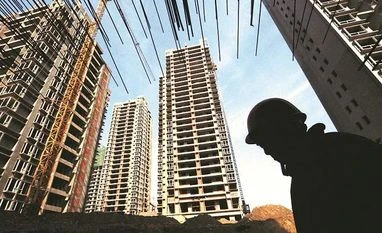 "Mid-sized construction firms to see growth as credit profile improves: Icra")

