Niko not to sell stake in RIL's KG-D6 block
Company had this February announced plans to sell its 10% stake in the KG-D6 block to pay off $340 million debt
BS Reporter Mumbai Debt-laden Niko Resources of Canada has called off the sale of its 10 per cent stake in Reliance Industries’ KG-D6 block, possibly because it could not find a buyer. Reliance Industries is the operator of the block with a 60 per cent interest and another 30 per cent is with BP.
“The company is no longer focused on the sale of its interest in the D6 block in the near term and is now pursuing a strategic plan to maintain its assets until their value can be enhanced for the benefit of stakeholders,” Niko said in its June earnings statement.
Chairman and interim chief executive Kevin Clarke said the company had sufficient liquidity to fund operating subsidiaries in India and Bangladesh, as well as general and administrative expenses for the foreseeable future, provided it won concessions from its key stakeholders to reduce cash outflows.
Niko had this February announced plans to sell its stake in the KG-D6 block to pay off $340 million debt. The initial plan was to sell the stake by April 30 and it was extended to May 31 and then to September 15.
Niko said it was unable to meet its debt obligations as India did not raise gas prices as much as expected when it entered into a term loan facility agreement with senior lenders in December 2013.
“The lower than expected gas price for D6 gas sales contributed to the company’s inability to meet its financial covenants under its term loan facilities in fiscal 2015,” it said.
The government had in October 2014 announced raising the natural gas price to $5.61 per million British thermal units from $4.2 earlier.
The increase was lower than $8.4 that the industry was expecting and the prevailing $5.71 rate applicable to gas from western offshore fields.
While a higher gas price is applicable uniformly across fields, the Dhirubhai-1 and 3 (D1&D3) gas fields in the KG-D6 block will receive the old rate of $4.2 till it is legally settled whether output falling by over 80 per cent to about 8 million standard cubic meters per day was due to natural reasons.
Reliance Industries and its partners will receive the incremental difference only if they can prove that the fall in output was not deliberate.
"In fiscal 2015, after three deferrals, the Government of India approved a new domestic gas pricing policy that increased the price for gas sales from the D6 block, but the formula in the new policy guidelines resulted in prices that are significantly lower than had been expected when the company entered into a term loan facility agreement with its senior lenders in December 2013," Niko said.
Niko warned it had failed to make interest payments to noteholders as required on June 30 and was therefore in default, leaving it vulnerable to a demand for accelerated repayment.

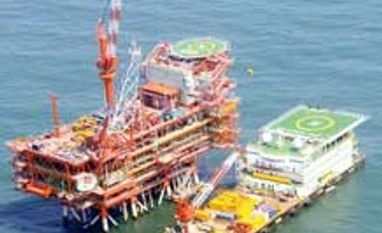 "Niko not to sell stake in RIL's KG-D6 block")


