PFC continues to fund non-performing coal assets despite mounting NPAs

PFC and REC have lent extensively to coal-fired power projects, with Rs 3.43 trillion, or 54% of their total loan books exposed to thermal power
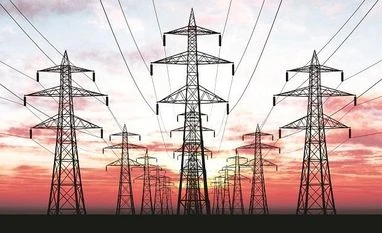
power, electricity, plant, renewables, thermal
Four new projects with total capacity of 8.8 Gw began construction in the country in 2019, and all have received funding from PFC and REC
Jayajit Dash Bhubaneswar
3 min read Last Updated : May 07 2020 | 3:18 PM IST
Power Finance Corporation (PFC) continues to fund non-performing assets in thermal coal sector some of which are obsolete and economically unviable projects that run the risk of turning into stranded assets in the future.

“When India’s government-owned PFC acquired the REC (Rural Electrification Corporation), it formed the country’s largest non-banking finance company (NBFC) and a critically important lender for India’s power sector, with a total asset book approaching $100 billion as of last December (2020),” said Kashish Shah, energy finance analyst with US-based think tank Institute for Energy Economics & Financial Analysis (IEEFA).

PFC and REC have lent extensively to coal-fired power projects, with Rs 3.43 trillion ($49 billion), or 54 per cent of their total loan books exposed to thermal power. 

This lending has in turn accumulated an extensive list of non-performing assets on their balance sheets, amounting to roughly Rs 47,454 crore ($6.8 billion) as of December 2019.


“But IEEFA views the extent of their stranded asset risk significantly higher than this as India’s thermal power generation sector continues to trouble the country’s banks, accounting for $40-60 billion in stranded assets. And with India’s thermal power generation sector under severe stress from carrying those $40-60 billion of non-performing assets (NPAs), financing from private banking institutions to the sector has dried up,” Shah added.

Transcripts from PFC investor meetings from 2017-18 reveal that PFC has provided refinancing loans to NTPC’s Meja plant (1,320 Mw) of Rs 3,700 crore ($500 million) and Raichur Yermarus Power project (1,600 Mw) of Rs 1,700 crore ($260 million), a project of Karnataka Power Corporation Ltd (KPCL) and BHEL.

Four new projects with total capacity of 8.8 Gw began construction in the country in 2019, and all have received funding from PFC and REC. As PFC is the lender of last resort for new coal power, all these projects received lending support from PFC and REC, underlining a key development in India — lending from the private sector for coal-fired project proposals has diminished to negligible levels, the IEEFA report noted.

“IEEFA views PFC’s lending to new existing or new thermal power developments as extremely risky in light of the expected tariffs on these projects being 60-70 per cent above the prevailing renewable energy tariffs of Rs 2.50-2.80 per kilowatt hour (kWh). IEEFA questions how PFC can expect to get a viable total project return over the 40-year life of thermal power plants given the uncompetitive tariffs these projects require, particularly in light of rising financial distress at distribution companies (discoms) which are demanding an ever-lower cost of procuring new power generation,” said Shah.


On the positive side, PFC and REC have together lent Rs 33,759 crore ($4.8 billion) to renewable projects as of December 2019, with some five per cent of loans outstanding. Given India’s massive renewable target of 450 Gw by 2029-30, and the associated funding requirements for the expansion and modernisation of the national grid system, IEEFA estimates $500-700 billion of new investment is needed. This will also require work from smaller regional developers that provides a significant opportunity for a rapid step-up in funding from PFC and REC.

One subscription. Two world-class reads.

Already subscribed? Log in

Subscribe to read the full story →
*Subscribe to Business Standard digital and get complimentary access to The New York Times

Smart Quarterly

₹900

3 Months

₹300/Month

SAVE 25%

Smart Essential

₹2,700

1 Year

₹225/Month

SAVE 46%
*Complimentary New York Times access for the 2nd year will be given after 12 months

Super Saver

₹3,900

2 Years

₹162/Month

Subscribe

Renews automatically, cancel anytime

Here’s what’s included in our digital subscription plans

Exclusive premium stories online

  • Over 30 premium stories daily, handpicked by our editors

Complimentary Access to The New York Times

  • News, Games, Cooking, Audio, Wirecutter & The Athletic

Business Standard Epaper

  • Digital replica of our daily newspaper — with options to read, save, and share

Curated Newsletters

  • Insights on markets, finance, politics, tech, and more delivered to your inbox

Market Analysis & Investment Insights

  • In-depth market analysis & insights with access to The Smart Investor

Archives

  • Repository of articles and publications dating back to 1997

Ad-free Reading

  • Uninterrupted reading experience with no advertisements

Seamless Access Across All Devices

  • Access Business Standard across devices — mobile, tablet, or PC, via web or app

Topics :PFC RECPFCNon-performing assetselectricity sector

Next Story



