Zurich-headquartered UBS, which is acquiring Credit Suisse in an all-share deal, will have to seek the Reserve Bank of India’s (RBI’s) approval to continue with Credit Suisse’s bank licence, informed sources familiar with the development.
This is because UBS surrendered its bank licence about a decade ago after the banking regulator denied its request to offer wealth management services.
Credit Suisse has a licence in India to operate as a foreign bank.
UBS was mired in controversy in connection with a multi-crore money laundering scam allegedly by Pune-based stud farm owner Hasan Ali Khan. UBS, however, denied any dealings with Khan.
After the RBI withheld UBS from operating its wealth management business, the Swiss banking major decided to forfeit its bank licence.
An email sent to UBS’ communications agency in India remained unanswered until the time of going to the press.
It is to be seen if UBS wants to continue Credit Suisse’s bank licence or wishes to surrender. The acquisition of Credit Suisse gives UBS yet another opportunity to offer banking services in India.
Credit Suisse, which is the 12th largest foreign bank, has one branch in India. With an asset book of Rs 20,700 crore, Credit Suisse invests mostly in government securities (G-secs). It also has access to the repo window of the RBI.
Credit Suisse’s liabilities are only 0.1 per cent of the banking sector. Its share of assets in the Indian banking sector is 0.1 per cent.
“Credit Suisse has only one branch in India and has a total asset base of Rs 20,000 crore, that is the 12th largest among foreign banks with 1.5 per cent share in foreign banks’ assets and 0.1 per cent in sector assets. Seventy per cent of assets are in G-secs (short term) and it has zero non-performing loans. Like foreign banks, their off-balance sheet is 7x the total assets and it is the 14th largest foreign bank in the system,” said broking firm Jeffries in a note.
Generally, foreign banks have a smaller presence in India. Data suggests that foreign banks have a 6 per cent share in total assets, 4 per cent in loans, and 5 per cent in deposits in the Indian banking system.
They are more active in the derivatives markets (foreign exchange and interest rates) where they have a 50 per cent share.
Most of them are present as branches of the parent bank with only a few present as wholly-owned subsidiaries. Nonetheless, they retain capital and liquidity and make similar annual report disclosures as Indian banks.
The top five foreign banks in India by assets are HSBC, Citibank (which has sold its consumer business to Axis Bank), Standard Chartered, Deutsche Bank, and JPMorgan.

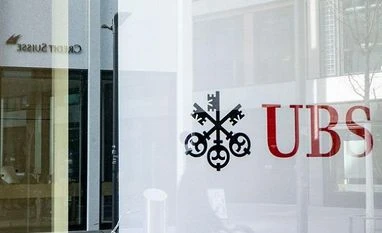 "UBS needs RBI approval to operate Credit Suisse as a bank in India")











