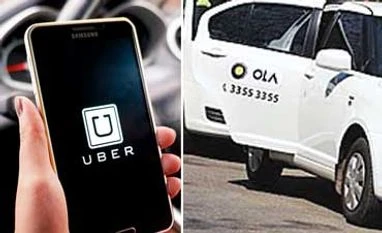
Cab drivers in the National Capital Region, following in the footsteps of their counterparts in Bengaluru and Hyderabad, stayed off roads on Monday in protest against high commissions charged by the aggregators and being compelled to ply at Rs 6 per km.
“A driver needs roughly Rs 2,500 to Rs 3,000 daily to maintain his car and family. What they end up with is around Rs 1,500. The agitating drivers say they have been fooled by these companies, which promised them earnings of close to a lakh a month but they are earning just Rs 40,000 or less. These are the first signs of revolt. This will continue if they do not stop predatory pricing and make these cabs run at a loss,” said Siddhartha Pahwa, former CEO, Meru Cabs.
According to industry experts, the flaw lies in implementing the model, which includes on-boarding excessive cabs and drivers on the platform to going back on promises of great returns.
Drivers in Hyderabad and Bengaluru have had similar demands but nowhere have the cab aggregators been able to find common ground till now.
Experts also say with that because there are just two players in the cab aggregator segment, they are able to dictate terms.
“There is a slump in the income of the drivers, which is significant because earlier they had more rewards. Companies are under pressure to keep rates down. Duopoly to some extent plays a role. However, no one is stopping the drivers from joining other companies or going independent if they think they can earn more,” said Harish H V, Partner, India Leadership team, Grant Thornton India.
Meanwhile, commuters in Delhi-NCR had a harrowing time because of the strike. Representatives of the Sarvodaya Driver Association of Delhi, the organisation that called the strike, said the two companies sent messages of ‘surge pricing’ to bring back the drivers.
“They tried the whole day to bribe drivers by increasing the surge price. But we will not back down till our demands are met. On Monday the agitation would be much stronger,” said Kamal Rathore, the treasurer of the organisation.
Some also were on hunger strike on Friday. “Our fares are even less than those of auto rickshaws, which charge Rs 8 per km and on top of that we have to pay 25% commission to the company. We are left with only around Rs 5,000,” said Kamaljeet Gill, president of the association and is on hunger strike.
While Ola refused to comment on the strike as well the problems faced by drivers, Uber issued a statement saying the strike was an isolated incident.
“A small group of people are disrupting the Uber service in parts of Delhi, and there have been isolated reports of threats and intimidation. We are working hard to ensure normal service. We call on the authorities to ensure the safety of riders and drivers,” an Uber spokesperson said.

 "Strike decoded: Why Uber and Ola are having tough time with drivers")












 Connect with us on WhatsApp