
Anti-inflammatory drug cuts risk of heart attack - but at what cost?
Acute inflammation is part of the body's normal protection against injury
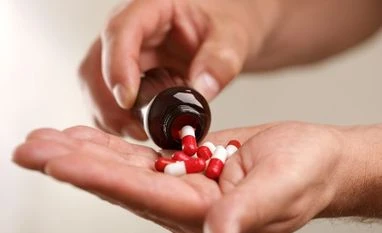 "Anti-inflammatory drug cuts risk of heart attack - but at what cost?")
premium
WebinarsNew
Deep DiveNew
Explore Business Standard
Acute inflammation is part of the body's normal protection against injury
A drug, currently licensed to treat a rare form of arthritis, has been found to significantly reduce the risk of heart attack and lung cancer, according to a report in the New England Journal of Medicine. The drug is being hailed as the biggest breakthrough in preventing heart attacks since the introduction of statins, 30 years ago.
The four-year trial, called CANTOS, involved 10,000 participants, each of whom had suffered an initial heart attack. The researchers wanted to know if an anti-inflammatory drug – approved to treat juvenile arthritis – could prevent a subsequent heart attacks in the participants randomised to receive the drug. It did – by 24%. And that was over and above the benefit of the statins the participants took throughout the trial.
The drug, called canakinumab, also reduced the risk of the patient being hospitalised with unstable angina (37%), and reduced the risk of needing bypass surgery (32%). Many smokers are at risk of heart disease, so the news that the drug also reduced the risk of developing lung cancer by half, was encouraging.
Cardiovascular disease is still the leading cause of death in the world, accounting for about 17m deaths a year. That figure is expected to grow to more than 23m by 2030, so finding new ways to tackle heart disease is critical.
Statins play an important role in preventing cardiovascular disease in those at risk, but they only help people who have high cholesterol. But about half the people who have a heart attack don’t have high cholesterol, so a fresh approach is needed. That’s where tackling inflammation comes into the picture.
Fighting inflammation
Most people understand the risk of having high levels of lipids, such as cholesterol, in cardiovascular disease, but people are often unaware of the part that inflammation plays in giving us heart disease.
For many years, doctors have suspected that inflammation plays an important role in heart disease and in atherosclerosis (the build-up of fatty material inside the arteries). CANTOS is the first trial to show that blocking inflammation can prevent heart attacks.
Acute inflammation is part of the body’s normal protection against injury or infection. It usually disappears as the infection is treated or the injury is repaired. What is much less recognised, is that a whole range of diseases, including many cancers, diabetes, heart disease, stroke and even mental health disorders, such as depression, often involve a level of low, long-standing inflammation.
This chronic low-level inflammation is probably caused by our modern lifestyle, which often includes a poor diet, lack of exercise, alcohol consumption and smoking. Doctors and researchers increasingly accept that preventing or reducing this type of inflammation is an important weapon in preventing cardiovascular disease.
The results of the CANTOS trial are very exciting, as they demonstrate that controlling inflammation may be as important in cardiovascular disease as controlling blood cholesterol through statins has been.
It also presented results that canakinumab could play a role in slowing the development of cancers. Canakinumab, works by blocking the action of a cytokine called interleukin-1. Cytokines are a very powerful group of proteins that the body use to control inflammation, and interleukin-1 has a particularly important role in the development of wide range of inflammatory diseases.
Given its importance in inflammation, the potential for an antibody against interleukin-1 to be used in a wide range of chronic inflammatory diseases – including some cancers – is little short of huge. Since cardiovascular disease is also closely linked to the development of dementia, the use of canakinumab in preventing this critical public health problem must be a serious consideration.
Drawbacks
One of the problems with reducing inflammation – the body’s natural response to infection – is that you increase the risk of infection. Sepsis was one of the deadly side effects of canakinumab. However, this was mainly a problem at the highest dose.
All drugs have side effects, and whether or not the drug is approved for use in preventing cadiovascular disease will depend on a careful risk-versus-harms analysis. The factor that is more likely to put the brakes on wide adoption of the drug is price.
Canakinumab is estimated to cost US$60,000 (£46,258) annually per patient. It is very likely that the cost of the drug will come down, given the size of the market – but it is still likely to be very expensive, even for wealthy countries where health budgets are often already stretched to breaking point.
Get walking
It has been known for a long time that simple changes in our daily lives, such as regular brisk walking, can control inflammation and prevent heart disease, cancer and even depression – possibly in a similar way to canakinumab. And it’s free.
Keith Morris, Professor of Biomedical Sciences and Biostatistics, Cardiff Metropolitan University
This article was originally published on The Conversation. Read the original article.
Already subscribed? Log in
Subscribe to read the full story →

3 Months
₹300/Month
1 Year
₹225/Month
2 Years
₹162/Month
Renews automatically, cancel anytime

Premium stories handpicked daily by our editors


News, Games, Cooking, Audio, Wirecutter & The Athletic
Digital replica of our daily newspaper — with options to read, save, and share


Insights on markets, finance, politics, tech, and more delivered to your inbox
In-depth market analysis & insights with access to The Smart Investor


Repository of articles and publications dating back to 1997
Uninterrupted reading experience with no advertisements


Access Business Standard across devices — mobile, tablet, or PC, via web or app
First Published: Sep 04 2017 | 9:06 AM IST

