Antibodies from recovered cases, antivirals may be bridge to Covid vaccine

Antibody-based medications, other blood products from recovered patients and antivirals are being investigated as early treatments, Fauci said
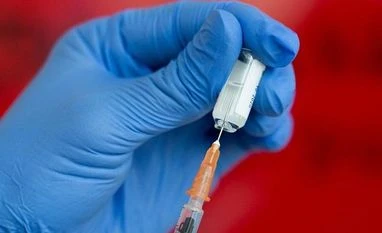
Coronavirus, vaccine
Immunization against SARS-CoV-2 could begin in the U.S. in November or December, Fauci said. Photo: Bloomberg
Jason Gale | Bloomberg
4 min read Last Updated : Sep 27 2020 | 7:02 AM IST
Monoclonal antibodies that stop the coronavirus from spreading in the body are among promising strategies for averting severe illness from Covid-19 before vaccines arrive, said Anthony Fauci, director of the National Institute of Allergy and Infectious Diseases.

Antibody-based medications, other blood products from recovered patients and antivirals are being investigated as early treatments, Fauci said. The aim is to prevent patients from developing the serious lung damage for which Gilead Sciences Inc.’s remdesivir and the anti-inflammatory drug dexamethasone are administered.

“We are focusing very heavily now on treatment of early infection and, or prevention of infection,” Fauci told the Journal of the American Medical Association in an interview Friday. “And that’s the bridge to the vaccine.”

Immunization against SARS-CoV-2 could begin in the U.S. in November or December, Fauci said, though it will probably take until at least the third quarter of 2021 for enough Americans to have been protected against the pandemic virus to significantly diminish its threat. Fauci said 100 million doses of vaccine may be produced by December, with all six companies supplying the U.S. slated to have made 700 million doses by next April.

With no vaccines yet proven to prevent Covid-19, health authorities must continue to push for new treatments and measures to stop the coronavirus from spreading, said Robert “Chip” Schooley, a professor of medicine at the University of California, San Diego, who is studying more potent versions of an existing antiviral.

“Optimally, we’d have an oral antiviral drug you can give to more people earlier in the course of the illness,” Schooley said. Vaccines might not be 100% effective, “which is better than nothing, but we’re still going to have to rely on drugs and behavioral modifications for a long time to come.”

Blockbuster studies published by the journal Science on Thursday showed about 14% of critical Covid-19 patients have impaired levels of a substance called interferon that helps orchestrate the body’s defense against viral pathogens.

The finding opens up new strategies for identifying high-risk patients and treating them with interferon infusions or, in some cases, removing interferon-blocking antibodies from their blood in a procedure called plasmapheresis.

Interferon, which is already being studied in dozens of clinical trials, might improve the effectiveness of antiviral drugs if they are administered early in an infection, according to Stanley Perlman, a professor of microbiology and immunology at the University of Iowa in Iowa City, who has studied coronaviruses for 38 years.

Infusions of coronavirus-neutralizing antibodies may also reduce the amount of virus in patients early in an infection, preventing an immune overreaction that’s behind most life-threatening cases, said Thomas File, an infectious diseases physician in Akron, Ohio, and president of the Infectious Diseases Society of America.

Monoclonal antibodies, a product made by cloning an antibody captured from the blood of a patient who recovered from Covid-19, could also be given to high-risk patients in nursing homes as a preventative treatment, Fauci said. Ely Lilly & Co.’s experimental antibody LY-CoV555 showed some hopeful signs in a trial among out-patients, the company said on Sept. 16.

“We have some cautious optimism that monoclonal antibodies may be an important therapeutic for early disease,” Fauci said Sept. 10 in an online briefing for Massachusetts General Hospital staff. “We need something to keep people out of the hospital.”

‘Tricky Medicine’
Dexamethasone and similar steroid medications might cause harm if given too early in the course of a Covid-19 illness, said Shane Crotty, a professor in the Center for Infectious Disease and Vaccine Research at La Jolla Institute for Immunology in California.

“Steroids have definitely proven to be valuable in very sick people, but it is tricky medicine,” Crotty said in an interview. The medication inhibits a part of the immune system from going “haywire” and causing damaging inflammation, as well as the part of the immune system generating antibodies to counter the infection.

The problem highlights the need for treatments to fight the virus while supporting the immune system, and regimens that can be mixed and matched depending on the body’s success in fighting the infection, said Michael Osterholm, director of the Center for Infectious Disease Research and Policy at the University of Minnesota.

“This is part of the dance with this virus,” Osterholm said. “You’re trying to take the best of the host and enhance it, and take the worst of the host and suppress it.”

One subscription. Two world-class reads.

Already subscribed? Log in

Subscribe to read the full story →
*Subscribe to Business Standard digital and get complimentary access to The New York Times

Smart Quarterly

₹900

3 Months

₹300/Month

SAVE 25%

Smart Essential

₹2,700

1 Year

₹225/Month

SAVE 46%
*Complimentary New York Times access for the 2nd year will be given after 12 months

Super Saver

₹3,900

2 Years

₹162/Month

Subscribe

Renews automatically, cancel anytime

Here’s what’s included in our digital subscription plans

Exclusive premium stories online

  • Over 30 premium stories daily, handpicked by our editors

Complimentary Access to The New York Times

  • News, Games, Cooking, Audio, Wirecutter & The Athletic

Business Standard Epaper

  • Digital replica of our daily newspaper — with options to read, save, and share

Curated Newsletters

  • Insights on markets, finance, politics, tech, and more delivered to your inbox

Market Analysis & Investment Insights

  • In-depth market analysis & insights with access to The Smart Investor

Archives

  • Repository of articles and publications dating back to 1997

Ad-free Reading

  • Uninterrupted reading experience with no advertisements

Seamless Access Across All Devices

  • Access Business Standard across devices — mobile, tablet, or PC, via web or app

Topics :CoronavirusCoronavirus TestsCoronavirus Vaccine

Next Story



