The human trial of Imperial College London's candidate coronavirus vaccine began on Tuesday with the first healthy volunteer receiving a small dose of it.
It is a second such trial in the UK. The first candidate vaccine that went for the human trial was from Oxford University.
The clinical team, which delivered a small dose of the vaccine to the participant at a West London facility, is closely monitoring the participant and report that they are in good health with no safety concerns, said the college in a press release.
The trials are the first test of a new self-amplifying RNA (saRNA) technology, which has the potential to revolutionise vaccine development and enable scientists to respond more quickly to emerging diseases, the college said.
The volunteer has asked to remain anonymous.
Imperial College London's vaccine candidate is being developed and trialled with the help of more than £41 million in funding from the UK government and a further £5 million in philanthropic donations.
Dr Katrina Pollock, from Imperial's Department of Infectious Disease and Chief Investigator of the study, said: "We have reached a significant milestone in this ground-breaking study with the first dose of a self-amplifying RNA vaccine delivered safely."
"We are now poised to test the vaccine in the dose evaluation phase before moving forward to evaluating it in larger numbers."
The volunteer will receive a second booster dose within four weeks. Several others are expected to receive the first dose over the coming days. The clinical team will continue to monitor all participants closely for safety, as well as look to see if they produce antibodies against the SARS-CoV-2 virus.
In the initial stage of the trial, 15 healthy volunteers are receiving the vaccine - starting with a low dose and escalating to increasingly higher doses for subsequent volunteers - to assess the safety and to find the optimal dosage.
Over the coming weeks, 300 healthy participants are expected to receive two doses of the vaccine. If the vaccine is safe and shows a promising immune response in humans, then larger trials would be planned for later in the year.

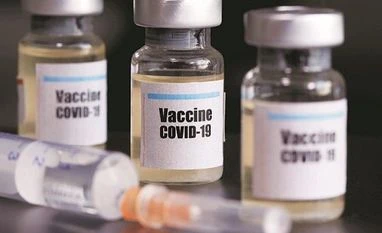 "Human trial begins of Imperial College London's candidate Covid-19 vaccine")











