Scientists have developed a vaccine against COVID-19 that can be given in one dose via the nose, and is effective in preventing infection in mice susceptible to the novel coronavirus, an advance that may lead to protective candidates that can curb the pandemic.
While there are several COVID-19 vaccine candidates currently under development, the study, published in the journal Cell, noted that unlike these, the one delivered via the nose targets the initial site of infection, and causes more widespread immune response.
According to the researchers, including those from the Washington University School of Medicine in the US, the nasal delivery route created a strong immune response throughout the body, but it was particularly effective in the nose and respiratory tract, preventing the infection from taking hold in the body.
They plan to test the vaccine in nonhuman primates and humans to see if it is safe and effective in preventing COVID-19 infection.
"We were happily surprised to see a strong immune response in the cells of the inner lining of the nose and upper airway -- and a profound protection from infection with this virus," said study senior author Michael S. Diamond from the Washington University School of Medicine.
"These mice were well protected from disease. And in some of the mice, we saw evidence of sterilising immunity, where there is no sign of infection whatsoever after the mouse is challenged with the virus," Diamond said.
To develop the nasal vaccine, the researchers inserted the virus' spike protein, which coronavirus uses to invade cells, inside another virus -- called an adenovirus -- that causes the common cold.
But the scientists tweaked the adenovirus, rendering it unable to cause illness.
The engineered adenovirus carries the spike protein into the nose, enabling the body to mount an immune defense against the novel coronavirus without becoming sick, the scientists said.
According to the researchers, the new vaccine also incorporates two mutations into the spike protein that stabilise it in a specific shape that is most conducive to forming antibodies against it.
"Adenoviruses are the basis for many investigational vaccines for COVID-19 and other infectious diseases, such as Ebola virus and tuberculosis, and they have good safety and efficacy records, but not much research has been done with nasal delivery of these vaccines," said study co-senior author David T. Curiel.
"All of the other adenovirus vaccines in development for COVID-19 are delivered by injection into the arm or thigh muscle. The nose is a novel route, so our results are surprising and promising," Curiel said.
He said it is also important that a single dose produced such a robust immune response.
"Vaccines that require two doses for full protection are less effective because some people, for various reasons, never receive the second dose," Curiel added.
When the researchers compared this vaccine administered to the mice between nasal and intramuscular delivery routes, they found that injection via the muscles induced an immune response that prevented pneumonia, but did not prevent infection in the nose and lungs.
They said such vaccines might reduce the severity of COVID-19, but may not totally block infection or prevent infected individuals from spreading the virus.
In contrast, the scientists said the nasal delivery route prevented infection in both the nose and lungs, suggesting that vaccinated individuals would not spread the virus or develop infections elsewhere in the body.
The researchers cautioned that the vaccine so far has only been studied in mice.
"We will soon begin a study to test this intranasal vaccine in nonhuman primates with a plan to move into human clinical trials as quickly as we can," Diamond said.
"In these mouse models, the vaccine is highly protective. We're looking forward to beginning the next round of studies and ultimately testing it in people to see if we can induce the type of protective immunity that we think not only will prevent infection but also curb pandemic transmission of this virus," he added.

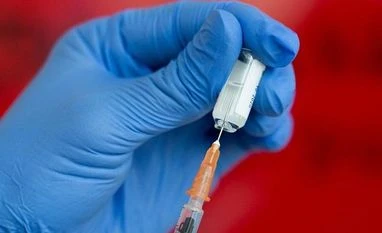 "Nasal vaccine prevents coronavirus infection in mice, says new study")


 Connect with us on WhatsApp