New nano material discovered; may lead to faster, powerful electronics
Scientists say this material contains highest-ever conductivity in its class
Press Trust of India Washington Scientists, including those of Indian origin, have discovered a new material with highest- ever conductivity in its class, which could lead to smaller, faster and more powerful electronic devices.
What makes this nano-scale thin film material so unique is that it has a high conductivity, which helps electronics conduct more electricity and become more powerful, said researchers led by the University of Minnesota in the US.
The material also has a wide bandgap, which means light can easily pass through the material making it optically transparent, they said.
In most cases, materials with wide bandgap, usually have either low conductivity or poor transparency.
"The high conductivity and wide bandgap make this an ideal material for making optically transparent conducting films which could be used in a wide variety of electronic devices," said Bharat Jalan, professor at University of Minnesota and the lead researcher on the study.
This includes "high power electronics, electronic displays, touchscreens and even solar cells in which light needs to pass through the device," Jalan said.
Currently, most of the transparent conductors in electronics use a chemical element called indium.
The price of indium has gone up tremendously in the past few years significantly adding to the cost of current display technology, researchers said.
As a result, there has been tremendous effort to find alternative materials that work as well, or even better, than indium-based transparent conductors.
In the new study, researchers developed a transparent conducting thin film using a novel synthesis method, in which they grew a BaSnO3 thin film (a combination of barium, tin and oxygen, called barium stannate), but replaced elemental tin source with a chemical precursor of tin.
The chemical precursor of tin has unique, radical properties that enhanced the chemical reactivity and greatly improved the metal oxide formation process.
Both barium and tin are significantly cheaper than indium and are abundantly available.
"We were quite surprised at how well this unconventional approach worked the very first time we used the tin chemical precursor," said Abhinav Prakash, graduate student at University of Minnesota.
"It was a big risk, but it was quite a big breakthrough for us," said Prakash, the first author of the paper published in the journal Nature Communications.

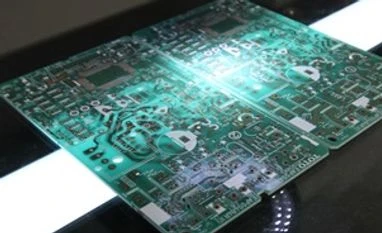 "New nano material discovered; may lead to faster, powerful electronics")


 Connect with us on WhatsApp