SpaceX Crew Dragon with 2 NASA astronauts successfully undocks from ISS

Endeavour is scheduled to splashdown in the Gulf of Mexico as the Demo-2 mission validates SpaceX's crew transportation system - from launch to in-orbit, docking, landing, and recovery operations

Crew Dragon endeavour
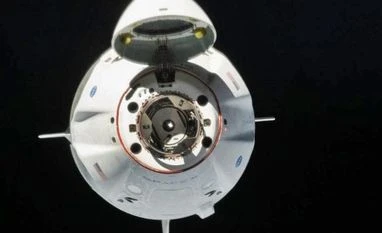
Crew Dragon undocks from International Space Station for return to Earth. (NASA)
BS Web Team New Delhi
2 min read Last Updated : Aug 02 2020 | 7:07 AM IST
NASA Astronauts Bob Benkhen and Dough Hurley undocked from the International Space Station on Sunday to return to Earth. The Crew Dragon performed a set of four departure burns to separate from the ISS and to take a trajectory towards the planet. 

Endeavour is scheduled to splashdown in the Gulf of Mexico as the Demo-2 mission validates SpaceX’s crew transportation system – from launch to in-orbit, docking, landing, and recovery operations. 

NASA Chief Jim Bridenstine earlier tweeted that they "are targeting Pensacola as the primary return location for Crew Dragon w/@Astro_Doug and @AstroBehnken from the @Space_Station." However, NASA added that the teams will continue to closely monitor Hurricane Isaias and evaluate impacts to the potential splashdown sites.

The average time between undocking from the ISS and landing on the planet takes roughly six hours to 30 hours depending on the position of the station with respect to the splashdown site in this case. The two astronauts have been part of several science experiments onboard the ISS, including two extravehicular spacewalks conducted by Bob Behnken to repair the station for continuous usage.
According to Nasa, "several hours later, one departure phasing burn, lasting about six minutes, will put the Crew Dragon on the proper orbital path to line it up with the splashdown zone. Shortly before the final deorbit burn, Crew Dragon will separate from its trunk, which will burn up in the Earth’s atmosphere. The spacecraft then executes the deorbit burn, which commits it to return and places it on an orbit with the proper trajectory for splashdown."

Once the spacecraft enters the Earth's atmosphere, two sets of parachutes will deploy at an altitude of 18,000 ft slowing it down to 350 miles per hour. Further along, four main parachutes will deploy at about 6,000 feet bringing it down to approximately 119 miles per hour as it splashes into the final site.

One subscription. Two world-class reads.

Already subscribed? Log in

Subscribe to read the full story →
*Subscribe to Business Standard digital and get complimentary access to The New York Times

Smart Quarterly

₹900

3 Months

₹300/Month

SAVE 25%

Smart Essential

₹2,700

1 Year

₹225/Month

SAVE 46%
*Complimentary New York Times access for the 2nd year will be given after 12 months

Super Saver

₹3,900

2 Years

₹162/Month

Subscribe

Renews automatically, cancel anytime

Here’s what’s included in our digital subscription plans

Exclusive premium stories online

  • Over 30 premium stories daily, handpicked by our editors

Complimentary Access to The New York Times

  • News, Games, Cooking, Audio, Wirecutter & The Athletic

Business Standard Epaper

  • Digital replica of our daily newspaper — with options to read, save, and share

Curated Newsletters

  • Insights on markets, finance, politics, tech, and more delivered to your inbox

Market Analysis & Investment Insights

  • In-depth market analysis & insights with access to The Smart Investor

Archives

  • Repository of articles and publications dating back to 1997

Ad-free Reading

  • Uninterrupted reading experience with no advertisements

Seamless Access Across All Devices

  • Access Business Standard across devices — mobile, tablet, or PC, via web or app

Topics :NASAInternational Space StationSpaceXOuter Space Treaty

Next Story




