FinMin to soon float Cabinet note for merger of railway budget
It seeks to end distinction between Plan and non-Plan expenditure; replace it with capital and revenue expenditure
Press Trust of India New Delhi The finance ministry will shortly circulate a Cabinet note to merge the railway budget with the Union Budget, advance presentation by a month and doing away with Plan and non-Plan expenditure head in the Budget.
The draft note will be floated for inter-ministerial discussion before it is tabled before the Cabinet, which is likely to take up these issues towards the end of this month, sources said.
If the Cabinet agrees to the finance ministry's proposal, the Budget will be presented in January instead of the last working day of February.
The ministry also seeks to end distinction between Plan and non-Plan expenditure and replace it with capital and revenue expenditure.
The finance ministry is seeking approval for these three proposals with an intention to get them implemented in the Budget for 2017-18, the sources said.
There is no specific date mentioned in the Constitution for presenting the Union Budget. The Narendra Modi government is planning to present it in the last week of January so that the entire process can be wrapped up by March. The new financial year starts from April 1.
Besides, Railway Minister Suresh Prabhu has favoured scrapping the practice of having a separate railway budget. He wants it to be merged with the general Budget like it happens in all other ministries, including the all-crucial Defence.
Considered a British legacy, India follows accounting period from April to March, in line with the Gregorian calendar of accounting.
The government has constituted a committee headed by former chief economic advisor Shankar Acharya to study the feasibility of adopting a new financial year. The panel is slated to submit its report by December 31, 2016.
Previously, the L K Jha Committee, appointed in May 1984 to look into the matter, had recommended switching over to the calendar year, but the government did not accept the recommendation, saying it would cause large-scale problems as most Indian companies follow the April-March cycle.
As the financial year begins on April 1, the government in March takes Parliament's approval for Vote-on-Account for a sum of money sufficient to meet expenditure on various items for the next 2-3 months till the full Budget is passed. The Demands and Appropriation Bill entailing full-year expenditure as well as tax changes is then passed in April-May.

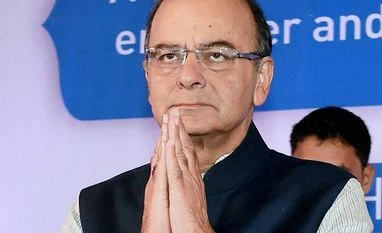 "FinMin to soon float Cabinet note for merger of railway budget")


 Connect with us on WhatsApp