Modi taking cue from Singapore's clean drive?
BS Reporter New Delhi Prime Minister Narendra Modi's Swachchh Bharat Mission is reminiscent of a similar drive launched by Singapore in 1968.
Started by former Prime Minister Lee Kuan Yew, the 'Keep Singapore Clean' campaign was one of the first sanitation initiatives taken by the island nation. The objective was to make Singapore the cleanest city in the region, to boost tourism and attract foreign investments.
The Singapore campaign had a positive impact through the years, tackling many issues such as mosquitoes, pollution, inconsiderate littering, street hawkers and sanitation. Posters and banners were displayed, while seminars and spot checks were carried out. Competitions such as the cleanest offices, toilets, buses and taxis were organised. Dirty places were also named in the media, to mount social pressure on their owners.
A decade-long campaign was also launched between 1977 and 1987 to clean up the Singapore river and the Kallang Basin. By the mid-80s, most garbage in the waters was removed. The river was clean enough that a mass swimming event was organised in 1984.
After the success, the government began to address other cultural challenges. In 1970, the government began to strongly "discourage" male Singaporeans from sporting long hair. Students were forced to go for a haircut, while immigration officers began to turn away visitors with long hairs and confiscate the passports of affected Singaporeans if they were going aboard.
The definition of "long hair" was finally determined in 1972, and became a government policy officially. Male civil servants who refused to cut their trim their hair were sacked. Those who visited various government bodies were attended last in queues if they sported long hair.
Groups of long-haired men were rounded up by police. Japanese musician Kitaro and British rock band Led Zeppelin were not permitted to perform in Singapore. Bee Gees, however, were allowed to hold a concert at the National Theatre in 1972, but were made to leave the country immediately after the event.

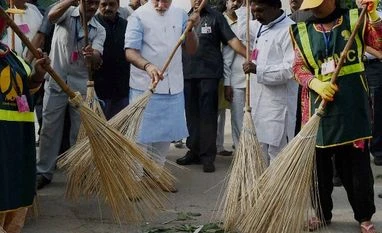 "Modi taking cue from Singapore's clean drive?")


 Connect with us on WhatsApp