Note ban: Big buys via cards down since Nov, small-sized purchases up
High-value EMI purchases down since November, small-sized transactions grow
Anita Babu Bengaluru High-value purchases on instalments by using cards has halved across India since November, when the government undertook the demonetisation exercise.
At the same time, card transactions of less than Rs 500 have increased substantially as more Indians began using debit cards to buy goods and services, due to the low supply of cash.
Innoviti, a payment solutions company that handles a fifth of the country’s card transactions among businesses, provided no data.
Innoviti, backed by N R Narayana Murthy’s Catamaran Ventures, has seen a 17 per cent decrease in all instalment-based purchases on cards. Most pronounced were transactions of Rs 50,000 and above, with the number diving from 21.7 million to 11.3 million in the eight weeks till January 10.
“It will take at least a couple of quarters for EMI (equated monthly instalment) transactions to recover to the pre-demonetisation levels,” says Rajeev Agrawal, chief executive officer, Innoviti.
Card-based EMI transactions dropped about 60 per cent in the first week after demonetisation and then recovered steadily. However, these are not yet back to the levels before November 8.
Apart from uncertainty in the economy, distribution in the country, predominantly cash-driven, has been substantially hit. “As a result, the supply is being affected and brands have cut down on offers. This will revive once cash flow becomes steady and offers are back in the market,” Agrawal added.
Demonetisation has also triggered a sustained rise in card-based transactions, up about 2.5 times from the previous period. And, predominantly driven by transactions from Tier-2 and Tier-3 cities, albeit a smaller base compared to the metros. In the latter, card transactions grew 156 per cent over the eight weeks; the rise has been 162 per cent and 203 per cent, in Tier-2 and Tier-3 cities, respectively.
However, as cash flow is slowly increasing, the growth trend is saturating or bending downwards in Tier-2 and Tier-3 cities, possibly triggered by people going back to cash transactions.
Also, given the previous transaction rates (at 10-15 per cent in the Tier-2 and Tier-3 cities), the current rise is short of expectations. “The growth could have risen, with the figures touching at least four or five times the previous levels in these cities,” says Agrawal. This indicates the impact of demonetisation has been limited by lack of infrastructure and a natural resistance to behavioural change among consumers.

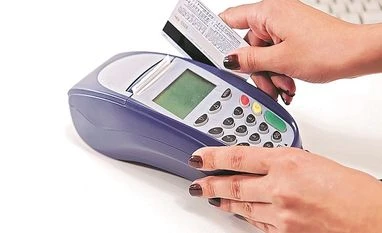 "Note ban: Big buys via cards down since Nov, small-sized purchases up")


 Connect with us on WhatsApp