


India-US trade deal: What tariffs are India's export competitors paying?
India-US trade deal: A closer look at how American tariffs on Indian exports compare with those faced by key rivals such as China, Vietnam, Mexico, Bangladesh across major sectors
 "Donald Trump, Trump")
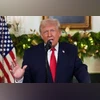
US President Donald Trump (Photo: PTI)
Listen to This Article
US President Donald Trump on Monday announced a long-awaited trade deal with India, slashing the reciprocal tariff on Indian goods to 18 per cent from 25 per cent. The announcement followed a phone call with Prime Minister Narendra Modi and was posted on Trump’s social media platform, Truth Social.
Trump said India had agreed to stop buying Russian oil and instead purchase much larger quantities from the US and, potentially, Venezuela. He claimed this shift would help bring an end to the Russia–Ukraine war. Trump also said India would “likewise” take steps to lower its tariffs and non-tariff barriers on American goods to “zero”.
How India compares with other US trading partners on tariffs
The new 18 per cent tariff places India among the lower-taxed major exporters to the US, a sharp shift from its earlier position.
US tariffs on major export competitors
| Country/Region | US tariff rate |
| Brazil | 50% |
| China | 37% |
| Canada | 35% |
| South Africa | 30% |
| Mexico | 25% |
| India (pre-deal) | 50% |
| India (post-deal) | 18% |
| Bangladesh | 20% |
| Vietnam | 20% |
| Sri Lanka | 20% |
| Taiwan | 20% (many items cut to 15%) |
| Pakistan | 19% |
| Indonesia | 19% |
| Malaysia | 19% |
| Thailand | 19% |
| Philippines | 19% |
| EU (most members) | 15% |
| Japan | 15% |
| South Korea | 15% |
| Switzerland | 15% |
| UK | 10% |
Also Read

 "Stock Market LIVE, February 3, 2026")
 "Market outlook after India-US trade deal")
 "tax, tax saving")
 "Investors, Companies, markets")
 "Gold-jewellery related stocks zoomed up to 20% on Tuesday after US reduced reciprocal tariffs on India.")
Trump’s warning to Canada over China
Trump on Saturday warned that the United States would take strong action if Canada goes ahead with a trade deal it negotiated with China.
“If they do a deal with China, yeah, we’ll do something very substantial,” Trump told reporters aboard Air Force One. “We don’t want China to take over Canada.”
Last week, Trump said he would impose a 100 per cent tariff on Canada if it moves forward with the China trade agreement.
Switzerland, Taiwan and selective tariff rollbacks
Switzerland currently faces a 15 per cent tariff after Trump agreed last month to lower the rate from 39 per cent following pressure from Swiss companies, including Rolex. However, he warned the rate could rise again.
“I reduced it because I don’t want to hurt people… doesn’t mean it’s not going up,” Trump said at Davos.
Taiwan, meanwhile, signed a trade deal last month that lowers tariffs on many exports and encourages Taiwanese chipmakers such as TSMC to expand production in the US. Some semiconductor-related imports are now eligible for duty-free entry, while most other exports see tariffs fall from 20 per cent to 15 per cent.
Trump's tariffs on India: From one of the highest to among the lowest
Before this deal, India was among the most heavily taxed major economies in terms of US import duties. In August last year, Trump imposed a 50 per cent tariff on Indian imports — a 25 per cent reciprocal duty plus an additional 25 per cent levy linked to India’s continued purchase of Russian crude oil. Brazil was the only other major economy facing a similar rate at the time.
How India-US trade talks reached this point
India and the US began negotiations on a Bilateral Trade Agreement (BTA) in March last year and have held around six rounds of discussions so far. The most recent informal talks took place in New Delhi in December, when a US trade team led by the Deputy US Trade Representative visited India.
After that, talks slowed due to year-end holidays and uncertainty after both sides missed an earlier autumn deadline. Since then, negotiations have continued virtually.
More From This Section
 "Ashwini Vaishnaw, Ashwini, Vaishnaw")
 "Piyush Goyal")
 "Indian refiners, oil refiners")
 "manufacturing pmi, hsbc india, s&p global, june 2025 pmi, export orders, intermediate goods, pranjul bhandari, employment growth, factory output, inflation trends, input prices")
 "India UK FTA")
Topics : Donald Trump India US Trade Deal Trump tariffs Indo-US ties India trade Indo-US relations BS Web Reports
Don't miss the most important news and views of the day. Get them on our Telegram channel
First Published: Feb 03 2026 | 9:47 AM IST