With businesses facing huge cash crunch, the Centre's demonetisation drive will have a "significant impact" on the country's economy in the near term, but once the transition phase is over, the growth momentum will pick up, according to a chamber report.
Around 81 per cent of the economists covered in the survey by PHD Chamber of Commerce & Industry see a "significant impact" on India's economic growth in the shorter term. However, the benefits accruing from demonetisation will help in sustaining the country's economic growth in the longer term, they said.
"Though the contraction in GDP cannot be ruled out due to fall in economic activity, growth in demand will start gaining momentum once the economy moves out of the transition stage of demonetisation to remonetisation," PHD Chamber of Commerce & Industry President Gopal Jiwarajka said.
The survey covered responses from over 50 economists and analysts, 700 business firms and 2,000 people during December.
In the business segment, 73 per cent respondents are facing huge cash crunch due to demonetisation as they are unable to fulfill their daily cash requirements to pay wages to daily wagers and contractual workforce, it pointed out.
Production process not only in the informal sector but also in the formal sector has been impacted directly or indirectly, said the survey.
Cash driven segments such as fruits and vegetable markets, horticulture and floriculture, agricultural and food processing, construction activities, among others have been impacted, it observed in the findings.
However, it said the immediate effect would probably be short-lived and the long-term benefits of demonetisation will drive the Indian economy to new areas of growth in the future.
"It is expected that removal of black money from the system would create a good scope for reduction in interest rates via-a-vis lower inflationary expectations and reduce the incidence of direct taxation," Jiwarajka said.
"There is a need for low interest rates to propel a boom in housing and real estate. This will substantially increase employment as well as contribute towards GDP growth".
Around 92 per cent of the respondents said that the major impact of currency crunch is seen on daily needs of the people such as purchase of eatables, dairy products and other necessities, whereas 58 per cent are facing high level of difficulty in fulfilling their day to day activities.
There is a need of setting up of digital literacy booths outside banks majorly in rural regions for spreading digital literacy across all sections of the nation, said Jiwarajka.
The government should incentivize RTGS and NEFT under the ambit of digital transfers so that more and more people adopt the available facility and are less dependent on cash transactions, he suggested.
Moreover, the threshold limit of Rs 2,00,000 for transactions under the RTGS and Rs 50,000 for transfers under NEFT should be exempted from the service tax, Jiwarajka said.
The government should print more smaller denomination notes such as Rs 50, Rs 100 and Rs 500 so that there is sufficient circulation of money in the market.

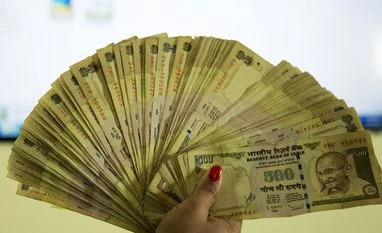 "Note ban to have 'significant impact' on GDP in short-term: Survey")


 Connect with us on WhatsApp