
RBI recent measures to boost healthcare infrastructure, says ICRA
Availability of funds due to recent measures announced by the Reserve Bank of India (RBI) can result in increased capacities: ICRA
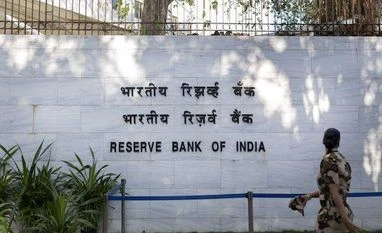 "RBI recent measures to boost healthcare infrastructure, says ICRA")
WebinarsNew
Deep DiveNew
Explore Business Standard
Availability of funds due to recent measures announced by the Reserve Bank of India (RBI) can result in increased capacities: ICRA
Availability of funds due to recent measures announced by the Reserve Bank of India (RBI) can result in increased capacities and improve healthcare infrastructure in the long-term, investment information agency ICRA has said.
On May 5, the RBI announced an on-tap liquidity window of Rs 50,000 crore with a tenor of up to three years that can be provided by banks for lending support to entities like hospitals, diagnostics, pharmacies, pharmaceutical companies or importers, medical oxygen manufacturers and suppliers and other operators involved in the critical healthcare supply chain.
ICRA said while the measures aim at easing liquidity stress on the healthcare system, the pace of deploying funds to enhance capacities for catering to high number of infections will be a key monitorable going forward.
Nevertheless, given that banks are being incentivised for quick delivery of credit under the scheme through extension of priority sector classification to such lending up to March 31 next year, the pace of disbursements of these loans might be faster than usual, it added.
Mythri Macherla, Assistant Vice President and Sector Head at ICRA, said the RBI's move to bolster liquidity is expected to provide immediate liquidity support to entities like vaccine and oxygen manufacturers besides small-medium scale pharmaceutical companies looking at enhancing their capacities.
"However, some industry players may not prefer availing a loan under this structure, given the tenor cap of three years as against a typical payback period of five-plus years," she said.
While industry players witnessed relatively lower occupancies in Q1 FY2021 because of the lockdowns and fear of infections, the same had improved sequentially in Q2 and Q3.
This was primarily supported by a steady rise in domestic patient footfalls in addition to pick-up in elective surgeries and medical tourism volumes.
Since the resurgence of infections, most hospitals have been witnessing a surge in Covid-19 patient volumes which can support the revenues for these entities in Q1 FY2022.
But price caps on Covid-19 treatment in some states can dent margins for the industry, said ICRA. Besides, fear of a third wave of infection, deferral of elective surgeries and delayed diagnoses can also further impact the margins in FY2022.
(Only the headline and picture of this report may have been reworked by the Business Standard staff; the rest of the content is auto-generated from a syndicated feed.)
First Published: May 08 2021 | 3:12 PM IST

