Sharing note ban process details will affect future economic policies: RBI
RBI said, disclosing such details may impede future economic or fiscal policies
Press Trust of India New Delhi Six months after the announcement of demonetisation by Prime Minister Narendra Modi, the RBI has declined to share details of the note ban process, saying it would be detrimental to the country's economic interests.
Replying to an RTI query, the central bank said disclosing such details may impede future economic or fiscal policies of Government of India.
The Reserve Bank of India (RBI) was asked to provide a copy of the minutes of the meetings held in its office during which the decision to demonetise Rs 500 and Rs 1,000 notes was taken.
It was also asked to share a copy of the correspondence made with the Prime Minister's Office (PMO) and the Finance Ministry on demonetisation issue.
"The information sought in the query carries sensitive background information including opinions, data, studies/ surveys etc. Made prior to the completion of the process of withdrawal of legal tender character of Rs 500 and Rs 1,000 notes.
"Disclosure of such information would detriment economic interest of the country from the viewpoint of the objectives sought to be achieved by such decision," the RBI said in reply to the RTI application filed by a PTI correspondent.
It is also likely to impede future economic or fiscal policies of Government of India, the central bank said.
The disclosure of information, therefore, qualifies for exemption under section 8 (1) (a) of the Right to Information (RTI) Act, it said.
The section bars sharing of information which would "prejudicially affect the sovereignty and integrity of India, the security, strategic, scientific or economic interests of the state, relation with foreign state or lead to incitement of an offence".
The RBI also said no part of the record (sought by the applicant) can be provided as contemplated in section 10 of the transparency law.
The section allows access to that part of the record which can reasonably be severed from any part that contains exempted information.
Modi had on November 8, 2016 announced demonetisation of Rs 500 and Rs 1,000 notes as a step aimed at curbing black money.

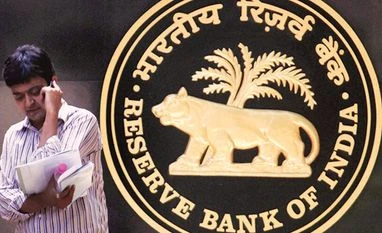 "Sharing note ban process details will affect future economic policies: RBI")


 Connect with us on WhatsApp