Thermal power capacity addition hits speed bump; only 2130 Mw till January

Startlingly, no capacity was added by central sector generating utilities in the period under review
power, thermal
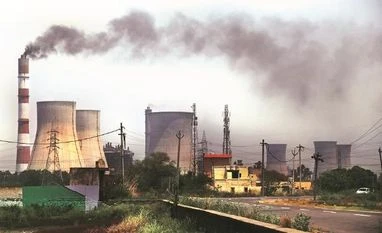
Representative Image
Jayajit Dash Bhubaneswar
2 min read Last Updated : Mar 14 2019 | 6:53 PM IST
Fresh capacity addition in thermal power has fallen woefully short of the targets. Only 2129.75 Mw capacity has been added during April-January of this fiscal, denoting only 44 per cent of the actual capacity of 4850 envisaged for the period.

Startlingly, no capacity was added by central sector generating utilities in the period under review. The state owned generators barely managed to accomplish half of their target of 3150 Mw by adding 1529.75 Mw, data collated by the Central Electricity Authority (CEA) showed. Overall capacity addition for thermal power has been pegged at 7266.15 Mw for this financial year. But  the tardy pace of capacity addition has cast doubts on achieving even the half way mark.

An industry source attributed the phenomena to the glut in availability of thermal power, the slide in demand and growing traction of renewable sources.

“In the current scenario, there is excess coal based capacity and the supply trumps demand. Power offtake from the new capacities is beset with uncertainty given the reluctance of many states to execute long-term power purchase agreements (PPAs). Also, the rise of renewable energy led by solar power as a viable energy source has slowed the tempo of thermal power growth”, the source said.

Earlier, a report by ratings firm CRISIL had forecast thermal power capacity additions to halve between 2019 and 2023 on truant PPAs, erratic coal supplies and growth in renewable power generation. CRISIL expected thermal power capacity addition to diminish to 35 Gw between FY19 and FY23 compared with 88 Gw added in the previous five years.

The grim forecast is a pointer to a large number of thermal power projects in the pipeline, especially those at an incipient stage to get deferred till demand looks up. Besides with a string of stressed assets available for acquisition, leading generators would prefer the inorganic route to expand instead of  brownfield ramp-up.

Private sector producers are likely to take a profound hit as many under construction projects are stuck due to financial woes of the promoters. 

CRISIL Research, however, sees power demand to log 6.5-6.8 per cent compounded annual growth rate (CAGR) between FY 2019 and FY 2023, aided by rapid strides in urbanisation and the Union government's immense thrust on rural electrification.

One subscription. Two world-class reads.

Already subscribed? Log in

Subscribe to read the full story →
*Subscribe to Business Standard digital and get complimentary access to The New York Times

Smart Quarterly

₹900

3 Months

₹300/Month

SAVE 25%

Smart Essential

₹2,700

1 Year

₹225/Month

SAVE 46%
*Complimentary New York Times access for the 2nd year will be given after 12 months

Super Saver

₹3,900

2 Years

₹162/Month

Subscribe

Renews automatically, cancel anytime

Here’s what’s included in our digital subscription plans

Exclusive premium stories online

  • Over 30 premium stories daily, handpicked by our editors

Complimentary Access to The New York Times

  • News, Games, Cooking, Audio, Wirecutter & The Athletic

Business Standard Epaper

  • Digital replica of our daily newspaper — with options to read, save, and share

Curated Newsletters

  • Insights on markets, finance, politics, tech, and more delivered to your inbox

Market Analysis & Investment Insights

  • In-depth market analysis & insights with access to The Smart Investor

Archives

  • Repository of articles and publications dating back to 1997

Ad-free Reading

  • Uninterrupted reading experience with no advertisements

Seamless Access Across All Devices

  • Access Business Standard across devices — mobile, tablet, or PC, via web or app

Next Story



