Year after floods, Uttarakhand tourism a washout
Tourism revenue in 2014-15 likely to be about Rs 6,900 cr, a 70 per cent fall from last year's figure of Rs 23,000 cr
Ruchika Chitravanshi New Delhi
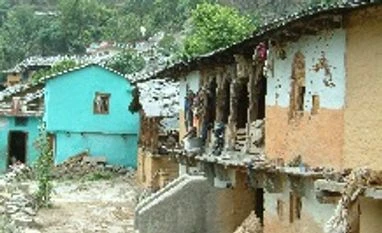
A year after the calamitous Uttarakhand floods damaged roads, hotels and other infrastructure supporting religious sites, the state’s tourism has been reduced to a fraction of what it was in May last year.
Nearly 30 per cent of Uttarakhand’s total gross state domestic product comes from tourism. While tourism revenue in 2013-14 was estimated at nearly Rs 23,000 crore, the figure is likely to fall 70 per cent this year — to about Rs 6,900 crore. Forward booking trends by travel companies show that trips planned to Uttarakhand in July 2014 are 30 per cent lower than in July last year, when the impact of the tragedy was most severely felt.
State authorities have imposed restrictions on the carrying capacity of the means of transport to religious destinations such as Kedarnath and Badarinath. In May last year, 600,000 tourists visited the pilgrimage sites in Uttarakhand. This year, only 100,000 have taken the trip. “We have to keep in mind the available infrastructure and the availability of hotel rooms, and accordingly work out the number of tourists that can enter,” says A K Diwedi, additional director, Uttarakhand Tourism.
The state has also roped in Trilok Security Systems, which works at Vaishno Devi and Tirupati, to ensure that tourists going on such physically strenuous trips are fit mentally and physically.
The tourism department, which rues the fact that last year’s supplementary budget of the state did not allocate any funds for advertising and publicity, hopes the budget will be more generous this year. There is also a plan to use a GPS system to keep track of all tourists and avoid their getting stranded in case of any accident or natural calamity. The state government will soon invite expressions of interest from private parties to execute this project.
“Though the number of trips has been reduced, average trip budgets have increased, primarily because travellers are investing in hotels with better infrastructure,” said Hari Nair, founder of HolidayIQ.com.
The average cost of the trip went up from Rs 15,000 per head during May 2013 to Rs 18,000 in May 2014. Other states are also providing financial assistance on interest payments on loans to rebuild the hotel infrastructure. The cloudburst that caused the devastating floods and landslides last year was one of the worst natural disasters to hit the country. Destruction of bridges and roads left about 100,000 pilgrims and tourists trapped and more than 5,000 people were estimated to have lost their lives.
Around 60 per cent of the total tourism prospects of the state have been severely damaged due to excessive rains, a study by business chamber PHDCCI has said. The reconstruction of damaged tourist destinations is expected to burden the state government with huge amounts in the wake of rising input costs such as mounting prices of cement and iron, labour costs, etc, it has stated.

 "Year after floods, Uttarakhand tourism a washout")


