Bengal govt ignored RBI alert in Dec
Subbarao had even publicly said all states had been warned to act, that it was solely their responsibility
Manojit SahaSomasroy Chakraborty Mumbai/ Kolkata The West Bengal government seems to have ignored the alarm bells sounded by the central bank and other lenders in the state on the mushrooming of chit funds such as the under-scanner Saradha group.
In the state level bankers’ committee (SLBC) meetings as early as in December last year, bankers raised the issue of these chit funds. The message was conveyed to the representative of the government, both verbally and formally.
According to bankers, there could be at least 80 such entities in the state, which are collecting deposits from the public. Saradha is in the news due to the scale of its operations and the resulting impact when it failed to repay its depositors following a run on it. The group’s chairman and managing director, Sudipta Sen, was on the run for days; he was nabbed on Tuesday from Sonmarg in Jammu, with two other company officials. It has turned out to be the biggest crisis yet for the Mamata Banerjee government.
“We had informed the Reserve Bank of India (RBI) that we were not comfortable with the operations of the chit funds ,which offered above 40 per cent returns to the public, mainly in the rural areas. We have asked the state government to protect depositors’ interest,” said a banker who attended the SLBC meeting in December.
Bankers explained that apart from the greed of getting higher return on investments, the depositors in such funds were also attracted to such informal means of investment as they find this avenue more convenient compared to a bank or mutual funds, due to the know-your-customer norms and other formalities, which banks require.
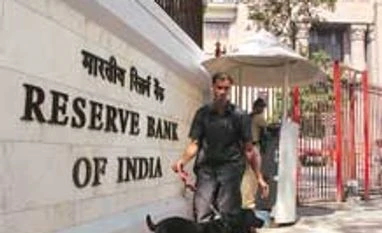
RBI Governor D Subbarao, had also expressed discomfort over such entities. In a media conference in December, he had said, “Chit funds are operating under the banner of multi-level marketing companies. The responsibility for prosecuting these firms for any violation of law is with the state government. The Reserve Bank of India does not regulate these entities.”
Adding: “We have warned all the state governments about entities indulging in multi-level marketing activities. We have written to state governments, requested them to stay vigilant and take appropriate actions against these firms.”
Subbarao said RBI had held training sessions for police departments at the district level to help them check the proliferation of these companies. “We do not have the authority to direct the police department and conduct only training sessions. The primary responsibility for controlling these entities, preventing and prosecuting culprits is with the state government,” he emphasised.
Chief Minister Mamata Banerjee had said this was a central government responsibility but later ordered a probe team and a high-level inquiry into these companies after the Saradha collapse. The latter development had revised the memory of the collapse of Sanchayita Investment of the early ‘80s, which collected Rs 120 crore from the public before its offices were raided and then shut down. A handful of investors got back a fraction of their money.

 "Bengal govt ignored RBI alert in Dec")


 Connect with us on WhatsApp