The overseas fundraising through the external commercial borrowings (ECBs) by corporations in India will moderate in the coming months on monetary policy tightening and steady depreciation of the rupee, according to Bank of Baroda’s assessment.
ECBs have emerged as an important source of financing for companies including public sector undertakings. In fact, ECBs accounted for 36.8 per cent of India’s external debt as of the end of December 2021. In the year ended March 2022 (FY22), ECBs approvals had risen to $38.2 billion from $34.8 billion in FY21, RBI data showed.
This rise in the use of ECB route was driven by their relative cost advantage owing to lower global interest rates for an extended period of time. It also supplemented the credit demand of the country thus supporting growth.
However, with global interest rates poised to edge up, the relative attractiveness of ECB inflows may diminish. Further, the recent depreciation seen in the Indian currency will also weigh on ECB inflows this year.
BOB, in a research note, said in terms of the purpose of ECBs, on-lending/sub-lending is the dominant reason for firms to borrow funds from abroad. Its share stood at 21.5 per cent in FY22.
The companies also utilised funds mobilised through ECBs to fund earlier ECBs. The share of this category stood at 18.4 per cent in FY22.
The refinancing of rupee loans through fresh ECB approvals has increased from just about 6.5 per cent in FY17 to 13.2 per cent in FY22. ECBs are also increasingly being mobilised for new projects as well as modernisation of existing projects, BOB said.
As for who were providing ECB funds, the data for the last four years suggest that the predominant sources were the capital market, banks and foreign collaborators.
The lower global interest rates have driven firms to explore funding options in capital markets across the globe. The share of international capital market in total ECB approvals has increased sharply from 12.6 per cent in FY19 to 33.2 per cent in FY22 amidst a sharp dip in global interest rates.
The share of other commercial banks has declined from about 44.4 per cent in FY19 to 25.3 per cent in FY22. However, approvals from Indian commercial bank branches abroad increased from 14.7 percent to 19.8 per cent in FY22.

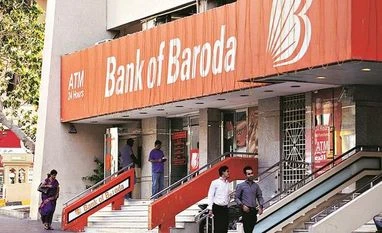 "ECB inflows to moderate on rising rates, depreciating rupee: Bank of Baroda")











