RBI not in favour of providing special credit window to NBFC sector

Ever since the IL&FS crisis erupted, banks have been averse to lending to the sector, which has put them in a tight spot
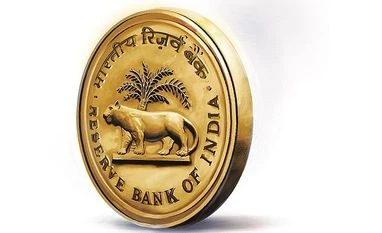
rbi, reserve bank of india
Press Trust of India New Delhi
2 min read Last Updated : May 22 2019 | 3:54 PM IST
The Reserve Bank of India is not in favour of providing special credit window to the NBFC sector to tide over the liquidity crunch as the cash crunch phenomenon is not systemic, said sources.

Industry players and government think-tank NITI Aayog made a case for giving special credit window for non-banking financial companies (NBFCs) facing liquidity crunch following default by group of companies of IL&FS since September 2018.

Many NBFCs, including DHFL and Indiabulls Finance, came under severe liquidity pressure compelling them to bring down their reliance on commercial papers.

Ever since the IL&FS crisis erupted, banks have been averse to lending to the sector, which has put them in a tight spot. There are concerns that NBFCs may run out of money, which will lead to defaults.

According to the sources, the Reserve Bank of India (RBI) is of the view that special window is not required as of now based on their assessment.

The central bank feels that cash crunch is not a sector-specific phenomenon but limited to few large NBFCs which have over-leveraged due to aggressive lending.

According to estimates, about Rs 1 lakh crore of commercial papers (CPs) raised by NBFCs from investors will come up for redemption in the next three months.

CPs are debt instruments issued by companies to raise funds for a time period of up to one year.
 
As the NBFCs are cash-strapped, there is a looming fear that they will default on the CPs.

The sources also said the RBI board during the two-day meeting ended on Tuesday took stock of the NBFC sector and cash crunch faced by them.

The central bank is keeping a tab on the liquidity position of these firms on a monthly basis and recently asked NBFCs with assets over Rs 5,000 crore to appoint a chief risk officer (CRO).

The primary role of the risk officer will be identification, measurement and mitigation of risks and all credit products (retail or wholesale) shall be vetted by the CRO from the angle of inherent and control risks. The CRO's role in deciding credit proposals shall be limited to being an adviser. 

One subscription. Two world-class reads.

Already subscribed? Log in

Subscribe to read the full story →
*Subscribe to Business Standard digital and get complimentary access to The New York Times

Smart Quarterly

₹900

3 Months

₹300/Month

SAVE 25%

Smart Essential

₹2,700

1 Year

₹225/Month

SAVE 46%
*Complimentary New York Times access for the 2nd year will be given after 12 months

Super Saver

₹3,900

2 Years

₹162/Month

Subscribe

Renews automatically, cancel anytime

Here’s what’s included in our digital subscription plans

Exclusive premium stories online

  • Over 30 premium stories daily, handpicked by our editors

Complimentary Access to The New York Times

  • News, Games, Cooking, Audio, Wirecutter & The Athletic

Business Standard Epaper

  • Digital replica of our daily newspaper — with options to read, save, and share

Curated Newsletters

  • Insights on markets, finance, politics, tech, and more delivered to your inbox

Market Analysis & Investment Insights

  • In-depth market analysis & insights with access to The Smart Investor

Archives

  • Repository of articles and publications dating back to 1997

Ad-free Reading

  • Uninterrupted reading experience with no advertisements

Seamless Access Across All Devices

  • Access Business Standard across devices — mobile, tablet, or PC, via web or app

Next Story



