Home / Finance / News / RBI running key ops from a 250-member-strong quarantine centre: Governor
RBI running key ops from a 250-member-strong quarantine centre: Governor
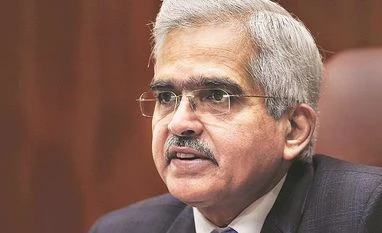
Reserve Bank is running some of its key operations from a 250-member-strong quarantine centre -- a souped-down version of war-room it had set up in mid-March last year, says Governor Shaktikanta Das
The Reserve Bank is running some of its key operations from a 250-member-strong quarantine centre -- a souped-down version of the war-room it had set up in mid-March last year, more than a week before the national lockdown, Governor Shaktikanta Das said on Wednesday.
Making an unscheduled press announcement earlier in the day amidst the raging second wave of the pandemic, Das said the quarantine facilities of the RBI continue to operate with over 250 RBI personnel and service providers -- away from their homes -- to ensure continuity of various segments of financial markets and RBI operations.
He did not offer details such as whether the centre is located outside the RBI premises like the war-room it had set up last year, which was located at an unnamed city hotel.
The governor also expressed his gratitude and admiration for the "brave citizens of our nation, to our doctors, healthcare and medical staff, police and law-enforcement agencies and to other authorities who battle the second surge selflessly and tirelessly and have been at the frontline for more than a year. Their services are needed now, more than ever."
It can be noted that as part of the business continuity plan, the RBI had set up a war-room in just one day to insulate financial system from the pandemic, at an undisclosed hotel in the megapolis in March last year and had ran that office manned by just about 150 critical staff.
The war-room was made operational from March 19 from a city hotel, and the business contingency plan (BCP) was up and running in flat 24 hours after the decision was taken to set up the war-room the previous day, an RBI official had told PTI then.
On a normal day, the RBI is served by around 14,000 employees spread across its 31 regional offices with the central office in Mumbai and the monetary authority handles billions of transactions each day.
The war-room had only 150-select RBI personnel who were supported by close to 70 hotel staff and around 600 external vendors.
The war-room ran the key data centres of the RBI such the SFMS (structured financial messaging system), RTGS, NEFT, e-Kuber (comprising services for the Central and the state governments transactions, interbank transactions, market and monetary policy instruments operations, treasury operations, currency inventory and distribution management), RBI Website, email, and other over 35 applications covering various functions.
(Only the headline and picture of this report may have been reworked by the Business Standard staff; the rest of the content is auto-generated from a syndicated feed.)

 "RBI running key ops from a 250-member-strong quarantine centre: Governor")


 Connect with us on WhatsApp