
RBI's forex reserves set to top $655 billion by March 2022: Report
As central bank continues to increase forex reserves by running down forward book which totalled $42 billion as of end-July, signalling its strong resolve to build a bigger reserve
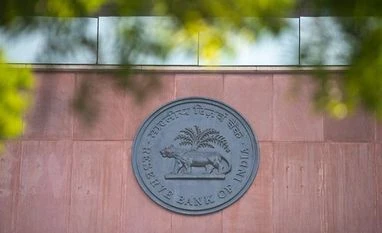 "RBI's forex reserves set to top $655 billion by March 2022: Report")
WebinarsNew
Deep DiveNew
Explore Business Standard
As central bank continues to increase forex reserves by running down forward book which totalled $42 billion as of end-July, signalling its strong resolve to build a bigger reserve
As the central bank continues to increase forex reserves by running down the forward book which totalled USD 42 billion as of end-July, signalling its strong resolve to build a bigger reserve cushion to aid its expansionary, unorthodox monetary policy, the reserves are set to top the USD 655-billion-mark by March, according to a report.
The forex kitty declined by USD 2.10 billion to USD 619.365 billion for the week to August 13 due to a fall in the core currency assets and gold, showed the latest RBI data. The reserves had risen to a lifetime high of USD 621.464 billion in the previous reporting week ending August 6.
While foreign currency assets, the biggest component of the reserves, declined by USD 1.358 billion to USD 576.374 billion in the reporting week, the value of the gold reserves slipped by USD 720 million to USD 36.336 billion. RBI bought record gold in the past year, up over 27 per cent in two years at over 705 tonnes.
At around USD 620 billion, the reserves can cover 16 moths of imports.
One of the main tools that the Reserve Bank has been using to shore up the reserves in recent months has been running down its forward book, which totalled USD 42 billion as of end-July, it said.
"We believe this shift is important as it signals that the RBI wants a bigger reserve cushion so it can run the expansionary, unorthodox monetary policy. Given the strength of capital inflows and the shrinking forward book, we raise our foreign reserves forecast to USD 655 billion by March 2022, from USD 645 billion earlier," Barclays India chief economist Rahul Bajoria said in a note on Monday.
It seems, the report said, the RBI has grown more comfortable in recycling its forward book back into its balance sheet, boosting the reserves significantly. Indeed, from an elevated USD 74.2 billion in end-March, the forward dollar holdings were down to USD 49 billion by end-June, a trend expected to continue through Q3, it added.
At the same time, RBI's domestic assets have also grown rapidly under the GSAP programme, the report said.
One of key objectives of the monetary authority to build up the reserves is to prevent the rupee from rising o the back of a significant balance of payments surplus, irrespective of whether the surplus has been driven by the current account balance or large capital inflows.
Meanwhile, the report pegged the rupee to trend between 75.5 and 80.7 to the dollar by March 2022.
The continuing forex build-up, which got accelerated after RBI Governor Shaktikanta Das assumed office early December 2018, is also reflective of the central bank's need for a weaker rupee in light of the rapid growth in RBI's balance sheet due to massive OMO purchases and forex reserve accretion.
Another reason for the build-up is the fact that the central bank also faces a potential change in the quality of capital inflows, alongside relatively larger current account outflows. This may prompt a more interventionist approach, as the RBI looks to maintain a strong grip on the rupee while ensuring ample domestic liquidity, he said.
A third reason for the rising reserves is that the build-up is boosted by the recycling of forward positions into spot reserves and buoyant purchase of G-secs.
Some of the recent increases in the reserves might have been prompted by the changing global monetary-policy dynamics, the report said.
While overall policy backdrop remains expansionary and accommodative in the country, several emerging-market central banks like Brazil, Mexico and Russia, have been raising their policy rates, while the real policy rates is highly negative here, it said.
Even though the RBI has clearly indicated that its policy bias is driven by the domestic macro-conditions, the continuing push for larger reserves indicates a desire for a deeper safety buffer to protect the economy from any major shifts due to externalities, the report said, adding that thus, larger reserves allow it to run a more expansionary domestic monetary.
(Only the headline and picture of this report may have been reworked by the Business Standard staff; the rest of the content is auto-generated from a syndicated feed.)
First Published: Aug 23 2021 | 5:07 PM IST


 Connect with us on WhatsApp