
Covid-19 impact: HSBC H1 PBT plunges 65% to $4.32 bn on loan provisions
The profit was lower than the $5.67 billion average of analysts' estimates compiled by the bank
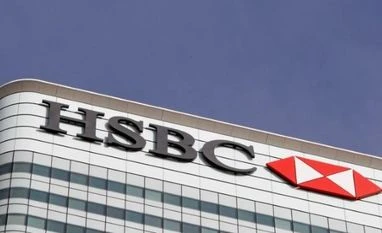 "Covid-19 impact: HSBC H1 PBT plunges 65% to $4.32 bn on loan provisions")
premium
Explore Business Standard
The profit was lower than the $5.67 billion average of analysts' estimates compiled by the bank
HSBC Holdings PLC posted a higher-than-expected 65% tumble in first-half pre-tax profit as the coronavirus pandemic and its impact on businesses forced the Asia-focused bank to boost its loan-loss provisions.
Europe's biggest bank by assets reported a pre-tax profit for the first six months this year of $4.32 billion, down from $12.41 billion in the same period a year earlier, according to its financial statement filed with the stock exchange on Monday.
The profit was lower than the $5.67 billion average of analysts' estimates compiled by the bank.
HSBC's results reinforced the trend of lenders across the world increasing their buffers to absorb souring loans at a time when companies - from aviation to retail and hospitality sectors - are reeling from the impact of the COVID-19 pandemic.
The bank's credit impairment provisions in the first-half soared to $6.9 billion, compared to $1 billion the same period a year earlier, the filing showed. It had set aside $3 billion to cover loan losses in the first quarter.
Impairment charges included a $1.2 billion writedown on the value of software it owns, mainly in Europe, it said.
HSBC said its total provisions against bad debts could be between $8 billion to $13 billion in 2020, higher than it forecast in April as it reflected the darkening global economic outlook and worse-than-expected actual losses in the second quarter.
The bank also warned it expects a hit to its core capital ratio, a key measure of financial strength, this year as falling credit ratings impact its risk-weighted asset ratio.
HSBC's revenues fell 9% in the six-month period, as global interest rate cuts and declining market values on assets in investment banking and insurance outweighed higher income from its trading business.
"Given the current high degree of uncertainty, we are continuing to monitor closely the implications on our business plan and medium-term financial targets, while also undertaking a review of our future dividend policy," CEO Noel Quinn said in the statement.
Adding to Quinn's challenges, the bank has been caught in the crosshairs of political unrest in Hong Kong, whose economy contracted for the fourth quarter in the April-June period, posting the second biggest drop on record.
"We will face any political challenges that arise with a focus on the long-term needs of our customers and the best interests of our investors," Quinn said.
Already subscribed? Log in
Subscribe to read the full story →

3 Months
₹300/Month
1 Year
₹225/Month
2 Years
₹162/Month
Renews automatically, cancel anytime

Over 30 premium stories daily, handpicked by our editors


News, Games, Cooking, Audio, Wirecutter & The Athletic
Digital replica of our daily newspaper — with options to read, save, and share


Insights on markets, finance, politics, tech, and more delivered to your inbox
In-depth market analysis & insights with access to The Smart Investor


Repository of articles and publications dating back to 1997
Uninterrupted reading experience with no advertisements


Access Business Standard across devices — mobile, tablet, or PC, via web or app
First Published: Aug 03 2020 | 1:16 PM IST


