
Crude prices steady in thin trading ahead of producer meeting
Energy consultancy Wood Mackenzie said that 'even if an output freeze is announced, we do not expect a genuine one to occur during the remainder of 2016'
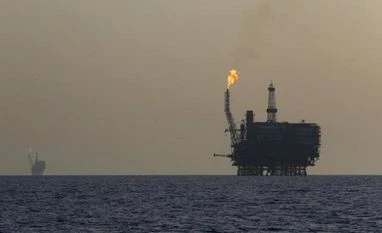 "Crude prices steady in thin trading ahead of producer meeting")
Explore Business Standard
Energy consultancy Wood Mackenzie said that 'even if an output freeze is announced, we do not expect a genuine one to occur during the remainder of 2016'
Crude futures were steady on Friday in thin business as traders were reluctant to take on new positions ahead of a planned meeting at the weekend of major oil exporters who want to rein in ballooning global over-production.
Oil producers led by top exporters Saudi Arabia and Russia plan to meet in Qatar on Sunday to discuss freezing output around current levels in an effort to contain a global supply glut that sees some 2 million barrels of crude produced every day in excess of demand.
Traders said they were reluctant to take on new positions ahead of the meeting, which takes place outside market hours.
"Momentum is building behind an agreement that likely excludes Iran (and potentially Libya). While there will likely be little effect on the physical market an agreement would represent an important psychological shift in setting oil prices," investment bank Jefferies said on Friday.
Brent crude futures were at $43.83 a barrel at 0709 GMT, virtually unchanged from their last close.
US West Texas Intermediate (WTI) futures were also almost unchanged, trading at $41.49.
Yet with discussions focussing around freezing output at or near current record levels, most analysts said they have little hope that a potential Doha deal will reduce the glut that has pulled down crude prices by as much as 70% since 2014.
"The Doha meeting does not materially change the oil market balances," Barclays bank said.
Instead of pushing prices up by much, Barclays said an agreement could prevent prices from otherwise falling further.
"If recent supply-side fundamental support holds and the market's expectations for a credible statement and commitment are met, the meeting could help prevent prices from falling back to the low $30 range."
Energy consultancy Wood Mackenzie said that "even if an output freeze is announced, we do not expect a genuine one to occur during the remainder of 2016."
Instead, Wood Mackenzie said it expected "OPEC output to rise 0.5 million barrels per day (bpd) year-on-year in 2016, with most of that growth coming from Iran and Iraq, both of whom have indicated plans to grow output in 2016."
On the demand side, China's implied oil consumption fell 2.4% in March from the same month last year, to 10.28 million bpd, due to a surprise dip in refinery throughput and a surge in refined fuel exports, Reuters calculation based on preliminary government data showed on Friday.
First Published: Apr 15 2016 | 1:03 PM IST

