What is the market leader in equipment for measuring automobile emissions to do if the vehicles of the future don’t spew exhaust? Japan’s Horiba, whose gear was central in exposing Volkswagen’s (VW’s) diesel-cheating scandal, believes that day will never come.
Electric vehicles (EVs) won’t ever make up more than a third of autos worldwide, says Chief Executive Officer Atsushi Horiba, because it’s just not feasible to build the scale of infrastructure to enable battery-powered cars. Who, for example, would set up a charging station in the middle of the Arizona desert, he said in a recent interview in Tokyo. Automobiles with internal combustion engines — including those using diesel — will continue to have a place, particularly in emerging markets, he said.
“Any academic who says 100 per cent of cars will be electric in the future has been reading too many comic books,” said Horiba, the 69-year-old son of the company’s founder, speaking in Japanese. “It’s not an issue of technology, it’s just reality.”
Despite his confidence, signs are pointing to a major acceleration in the electrification of automobiles in the two years since VW admitted to installing so-called defeat devices in diesel cars to circumvent clean-air regulations in the US. China, home to the world’s biggest automobile market, is ushering in stringent cap-and-trade fleet-based emission and fuel-economy regulations. Governments in the UK, France, Norway and India have set aggressive targets to ban the sale of fossil fuel-burning cars.
Automakers are racing to develop EVs, with Sweden’s Volvo Car Group aiming to introduce all electrified models in its line-up by 2019. Electric cars will outsell fossil-fuel powered vehicles within two decades as technological advances push down battery prices faster than previously thought, according to a Bloomberg New Energy Finance report in July.
However, Horiba, whose company makes about 80 per cent of the automotive emission measurement systems sold worldwide, sees no need to rush and change tack. Automakers that don’t continue to invest in internal combustion engines won’t be able to survive the 15 or more years to see the day when EV technology starts to really take hold, he said.

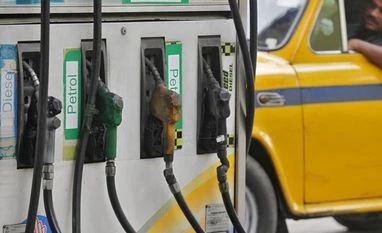 "Diesel's death is overstated, says Horiba")












 Connect with us on WhatsApp