
Excluding Jadhav's name from Pak minister's interview not censorship: BBC
BBC 'Hardtalk' on Twitter, however, clarified that Jadhav's name had been omitted from the TV version of the interview and not the radio version
 "Excluding Jadhav's name from Pak minister's interview not censorship: BBC")
WebinarsNew
Deep DiveNew
Explore Business Standard
BBC 'Hardtalk' on Twitter, however, clarified that Jadhav's name had been omitted from the TV version of the interview and not the radio version
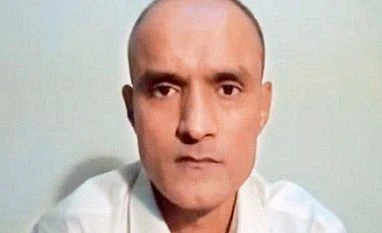
British public broadcaster BBC has defended the omission of Indian death row convict Kulbhushan Jadhav's mention from its interview with Pakistan's Finance Minister Asad Umar, saying it was "not an act of censorship".
In an interview to BBC's Stephen Sackur for the 'Hardtalk', the finance minister answered questions on various issues of national importance, including the state of Pakistan's economy and ChinaPakistan Economic Corridor.
The TV version of the interview, however, did not contain his mention of Jadhav, who was sentenced to death in 2017 by a Pakistani military tribunal on spying charges.
Human Rights Minister Shireen Mazari criticised the BBC for deleting the part about Jadhav, terming it "typical bias" on the part of the broadcaster.
"Shameful how BBC censored and chopped off Asad's mention of Indian spymaster Jhadav! Typical bias of BBC!," she tweeted.
BBC 'Hardtalk' on Twitter, however, clarified that Jadhav's name had been omitted from the TV version of the interview and not the radio version, and that it was not done to censor the minister's words.
"The reason Kulbhushan Jadhav's name was deleted from the TV version of the HARDtalk interview with Asad Umar has a simple technical explanation. The recorded interview was too long for our broadcast slot and so had to be edited. This was done separately for radio and TV," it tweeted.
"His name was omitted from the TV version. This was not an act of censorship, but clearly confusion has been caused, so we are happy to restore that short section to the TV broadcast and we'll give the new programme an extra airing tonight as well as tomorrow morning," the broadcaster said.
On BBC's clarifictaion, the human rights minister said, "As pathetic an explanation as any! BBC's bias has always been there and then there are mega bucks to be earned from India!"
Pakistan alleges that its security forces arrested Jadhav from Balochistan province in March 2016 after he reportedly entered the country from Iran.
India denies all the charges and maintains that Jadhav was kidnapped from Iran where he had business interests after retiring from the Navy and that he has no links with the government.
After Jadhav was sentenced to death, India moved the International Court of Justice against the verdict in May 2017. The world court has halted Jadhav's execution on India's appeal pending the final verdict by it.
In October, the ICJ said it will hold hearings from February 18 to February 21 in the Peace Palace at The Hague in the Netherlands, the seat of the court.
First Published: Dec 14 2018 | 1:40 PM IST


 Connect with us on WhatsApp