Director-General of the Food and Agriculture Organization of the United Nations (FAO), QU Dongyu, has made an urgent call for the transformation of agrifood systems, to make them more inclusive, economically viable and resilient to multiple shocks, as well as to produce better and more with less negative impact on the environment.
Qu was addressing a ministerial meeting held on Wednesday at the United Nations in New York entitled "Global Food Security Call to Action."
Cumulative effects of multiple shocks related to conflicts, the climate crisis, the COVID-19 pandemic and economic downturn, rising food prices have increased people's vulnerability and pushed hundreds of millions of more people to the brink of hunger, the Director-General said.
According to the Global Report on Food Crisis released earlier this month, 193 million people were acutely food insecure and in need of urgent assistance across 53 countries and territories in 2021.
Projections point to around 329,000 people reaching catastrophic food insecurity (IPC 5) in Somalia, South Sudan and Yemen by the end of 2022.
Malnutrition rates have also increased, with millions of children suffering from stunting or wasting whereas a healthy diet is out of reach for three billion people, according to the FAO's State of Food Security and Nutrition Report 2021.
Moreover, the budgets of governments and consumers have been squeezed tighter and countries' income per capita has shrunk, creating a cumulative loss to the global economy of more than $12 trillion over two years (2020-21), the Director-General said, expressing concern over the lack of progress on the Sustainable Development Goals (SDGs).
Noting that in March 2022 the FAO Food Price Index reached its highest level since its inception in 1990, Qu warned about the cascading impact of the war in Ukraine that could further exacerbate global food prices since Russia and Ukraine are dominant players in highly concentrated global grain markets.
Additionally, the Russian Federation is one of the top exporters in the world of fertilizers, he added, pointing out that the next planting season of countries which are import dependent on the Russian Federation could be at risk.
"Time is short, and the situation is dire," the Director-General said, outlining the path to successful transformation of agrifood systems to be more efficient, inclusive, resilient and sustainable.
"First, we must scale up emergency agricultural assistance," he said. "Currently only eight per cent of all food security funding in emergencies goes to assist agricultural production," he noted, emphasising that investing in agriculture and rural livelihoods is strategic, and seven to 10 times more cost-effective than traditional assistance.
FAO seeks $1.5 billion to support 50 million people in 2022 with urgent agricultural interventions to address acute hunger.
Second, it is vital to invest in agrifood systems as well as hard infrastructure (roads, irrigation, electrification and digital) and value chain infrastructure (storage facilities, cooling facilities, banking infrastructure and insurance infrastructure).
Growth in the agriculture sector is a sure-fire way to cut poverty and hunger in many middle- to low-income countries, the Director-General said.
Third, science and innovation must be prioritized to revamp agrifood systems.
The Director-General highlighted the role of cutting-edge innovations in agriculture, such as new breeding techniques to boost crop yields, desired traits, and climate resilience, as well as digital agriculture that can significantly reduce market failures in agriculture and improve the functioning of the agricultural markets.
Fourth, the world must reduce food loss and waste, Qu said. Currently, the high amounts of food loss and waste could feed around 1.26 billion people per year.
"If we reduce food loss and waste by 50 per cent, there would be sufficient fruits and vegetables available in the food supply to cover the recommended amount of fruits and vegetables per person per day," the Director-General said, underling that food loss and waste also results in a huge negative impact on the environment.
The ministerial-level meeting brought together foreign ministers from approximately 30 regionally diverse countries to review the urgent humanitarian and development needs and identify steps to address global food security, nutrition, and resilience.
It was chaired by the United States Secretary of State, Antony Blinken.
--IANS

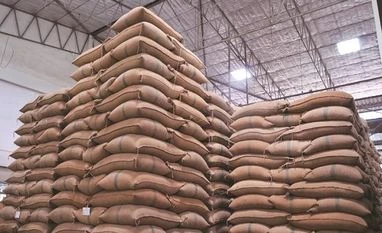 "FAO chief Qu Dongyu bats for urgent transformation of agrifood systems")


