
Terrorism, climate change on Prez Pranab Mukherjee's agenda for talks with Israel
The president will meet his Israeli counterpart Reuven Rivlin and Prime Minister Benjamin Netanyahu
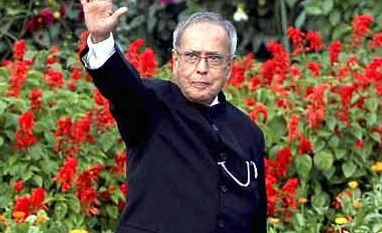 "Terrorism, climate change on Prez Pranab Mukherjee's agenda for talks with Israel")
WebinarsNew
Deep DiveNew
Explore Business Standard
The president will meet his Israeli counterpart Reuven Rivlin and Prime Minister Benjamin Netanyahu
Terrorism and climate change will be among the prominent areas during President Pranab Mukherjee's talks with the Israeli leadership on Wednesday, as the two sides seek to take their ties to a new level with collaborations in a host of subjects.
The president will meet his Israeli counterpart Reuven Rivlin and Prime Minister Benjamin Netanyahu later in the day and also address the Knesset, the country's parliament.
Ahead of the meetings, Mukherjee listed the growing menace of terrorism and extremism, climate change and reforms in global governance as areas where he was keen to discuss with President Rivlin and Prime Minister Netanyahu.
"I will seek the assessment of the Israeli leadership about recent developments in the region which have caused concern all over the world and have direct implications for India," Mukherjee said.
"We are disturbed at the recent violence. India condemns all forms of violence. We have always sought a peaceful resolution of disputes," the president said.
The remarks, made soon after he was accorded a ceremonial welcome here on Wednesday morning, come against the backdrop of both Israel and Palestine blaming the other for the recent escalation in conflict, which is claiming lives of the nationals of both countries.
The remarks assume greater significance as the president arrived here after visiting Palestine on Tuesday evening, where the leaders wanted New Delhi to strongly take up the issue with the Israelis.
In fact, Mukherjee -- during his various engagements in Palestine -- had assured India's full support for the country's cause, including a separate statehood with East Jerusalem as the capital.
On more than one occasion, he said such support was initiated when India became independent in 1947 and continues even today.
But the Israeli side has been equally concerned that the Indian president did not raise the issue of violence with Palestine from their perspective.
Other areas Mukherjee listed for talks included cooperations in agriculture, defence, education, research, science and cyber security.
"We are also discovering and identifying new areas of complementarities where there is significant potential to be realised. We agree that there are tremendous opportunities for mutually-beneficial collaboration," Mukherjee said.
First Published: Oct 14 2015 | 1:50 PM IST


 Connect with us on WhatsApp