Volkswagen is shaking up its executive pay with a cap on earnings, it said on Friday, as it looks to quell widespread anger over bonuses paid even as the carmaker suffered record losses in the aftermath of the emissions scandal in 2015.
Under new rules approved by the supervisory board on Friday, Volkswagen will cap total pay for its chief executive at 10 million euro ($10.6 million) and other top managers at 5.5 million euro.
Volkswagen became the target of fierce criticism from the German public and shareholders after its managers only reluctantly accepted a cut to bonus payments of about 30 per cent. Bonuses were based partly on Volkswagen’s performance over the previous two years.
The company did not give details on how remuneration under its revamped policy will compare with last year’s pay beyond saying that “theoretical maximum compensation will decline by as much as 40 per cent”. Volkswagen is due to publish last year’s executive remuneration on March 14.
Former Chief Executive Martin Winterkorn was paid 7.3 million euro in 2015, two thirds of which was from bonuses, and the company aims to shift the emphasis towards fixed salaries.
Eligibility for bonuses will be tightened under the new forward-looking system, which will allow for up to a 30 percent increase in fixed salaries, VW said.
Managers will lose their annual bonuses if the automotive group’s operating profit stays below 9 billion euro, compared with a current threshold of 5 billion euro, and if the return on sales remains at 4 per cent, the company said.
Long-term bonuses, meanwhile, will track share price performance, it added, citing recommendations from Germany’s corporate governance code.
Volkswagen has taken the axe to executive remuneration in the past.
In 2009 executive pay was cut by 60 percent after profit plunged by 80 percent. In 2012 it adjusted the compensation scheme to limit the annual bonus for the CEO and top management after Winterkorn’s pay nearly doubled to 17.5 million euro.
Read this article for free
Register to continue reading premium journalism and analysis from Business Standard.

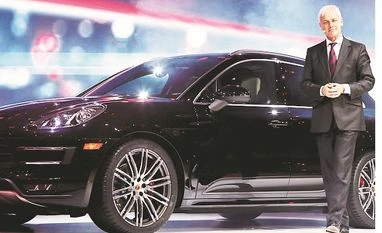 "Volkswagen looks to cap executive pay, bonuses")












 Connect with us on WhatsApp