Home / World News / With looming Brexit strains, Anglo-Irish relations are 'fraying'
With looming Brexit strains, Anglo-Irish relations are 'fraying'
In the tortured history between the two island nations, Brexit is just the latest in a long line of perceived slights the Irish have suffered at the hands of the British
When he crossed into Northern Ireland recently, Patrick O’Reilly felt his body tense up, a feeling that was once all-too familiar but that he thought would never return. Yet now, the fear and anxiety are creeping back, like a long-lost relative suddenly appearing out of nowhere, looking for trouble.
O’Reilly blames Britain for stirring up those grievances. Its expected departure — possibly a messy one — from the European Union, known as Brexit, is reopening old wounds and resentments in Ireland against its former colonial master.
“The British,” said O’Reilly, a retired pub manager, as he wove back and forth across the barely detectable border in his car, “are about to kick us in the teeth again.”
In the tortured history between the two island nations, Brexit is just the latest in a long line of perceived slights the Irish have suffered at the hands of the British. And now, with the possible exception of Britain, no country stands to lose more from Brexit, and particularly from a damaging “no-deal” departure, than Ireland.
Not only would that be economically destructive, analysts say; if it results in the return of a hard international border, it could even undermine the hard-won 1998 peace deal with Northern Ireland, known as the Good Friday Agreement.
While the ultimate impact of Brexit is still a matter of debate, there is no question that the issue is stoking tensions between the countries. Barbed comments directed toward Ireland by British supporters of Brexit over the so-called “backstop,” a kind of insurance policy against a hard border being discussed in withdrawal negotiations, have inflamed Irish sentiment.
“The general discourse in parts of the UK is extremely arrogant and quite condescending, the feeling that ‘these people don’t know their place,’” said Tony Connelly, European editor of RTE News and the author of Ireland and Brexit.
“That, in turn, has awakened a kind of ancient defiance on the Irish side as well,” he said. “All these historical nerve endings that were buried by the Anglo-Irish peace process have reawakened a bit.”
The Good Friday agreement ended 30-odd years of fighting in Northern Ireland, which is part of the United Kingdom, between predominantly Catholic communities that favoured joining the Republic of Ireland and largely Protestant loyalists of the British crown, backed by British troops.
During the so-called Troubles, at least 3,500 were killed and relations between Dublin and London were deeply strained.

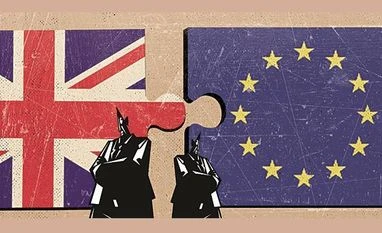 "With looming Brexit strains, Anglo-Irish relations are 'fraying'")











