
Entrepreneurs and investors should identify and address disconnects, says KKR India CEO
Also says firms have to look at the macro environment in detail to understand the trends
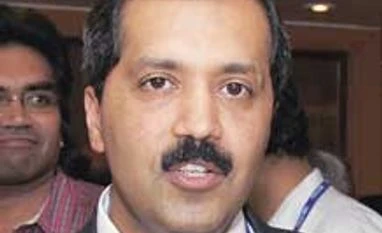 "Entrepreneurs and investors should identify and address disconnects, says KKR India CEO")
WebinarsNew
Deep DiveNew
Explore Business Standard
Also says firms have to look at the macro environment in detail to understand the trends
He was delivering plenary lecture on balancing investor interests and entrepreneurial expectations in Indian Institute of Technology, Madras (IIT-M). He added that the macro economic scenario has its impact on the PE investment in the country and more reforms are needed to bring in actual results in the macro environment.
Speaking about the disconnects, he said that the entrepreneurs are looking for high valuations and when many a time, it would lead to a structured deal, where the investment is made based on the performance of the company over a period of time. While putting in various structures becomes common, this could also put the investor and the partner across the table, which has to be avoided, he added.
The investment horizon has to be decided upfront, as the entrepreneur would have a longer time frame in mind while planning investment and expect the PE to invest for a long term while the latter would have a shorter period in mind, based on when the exit window is expected.
"How you define your understanding on the vetos and rights on capex is important. If the promoter has a longer term view and the investor has a shorter period view till their exit, I thin it has to be discussed thoroughly outside the board room," he said.
He added that negotiating the documents better, by going through the details at the beginning itself would be a better solution for many of these issues. The platform plays are also coming in where the PE firm work with real estate firms and entrepreneurs from day one to build businesses. There is also an emerging trend where there are rewards given to the partners based on milestones.
The PE industry in the country is looking for more experienced people who understand the companies with real operating background, though currently the industry is managing with young people, who are also smart in their job. More experienced people are also joining the industry now, he added.
Speaking about the macro economic environment, he said that in his personal view the more than seven per cent growth currently India see is only felt as a sub six per cent growth and it really needs to feel that the growth is above seven per cent for more activities to take place.
"The biggest challenge for the government and the policy makers is how do you restart growth, taking it to the aspirational level of seven to eight per cent and really feel like an economy of above seven per cent. That requires some dramatic reforms," he added.
The NPA levels are high and the financial savings are at its lowest point, coming down to 27 per cent from 38 per cent as the inflation expectations are higher. The Private Equity firms have to look at the macro environment in detail to understand the trends, he added.
First Published: Oct 20 2015 | 5:18 PM IST

