After slipping over 500 points in intra-day deals after Finance Minister Arun Jaitley’s proposals to reintroduce General anti-avoidance rule (GAAR) from April 2017, allocating Rs 25,000 crore for recapitalisation of PSU banks that is much below Street’s estimates and proposal to levy 10% dividend distribution tax in the hands of investors, the S&P BSE Sensex recovered sharply.
By late noon deals, the benchmark index had erased most of its intra-day losses. The recovery in the markets, analysts say, was mostly on account of the government’s plan to stick to its fiscal deficit target of 3.5% of GDP.
“Fiscal deficit of 3.5% of GDP is very positive commitment. The bond yields are falling and it suggests that: (1) Interest rates will be pushed down. This will increase credit push and consumables will be pushed higher; (2) India's ratings could improve with commitment to fiscal discipline. This would eventually bring larger amount of FDI inflow in the country,” said Deven Choksey, MD and CEO, K R Choksey Shares and Securities.
A K Prabhakar, head of research, IDBI Capital, adds: “The figure on PSU bank recapitalisation and the dividend taxation has dampened sentiment. However, the sharp recovery from the day’s low was led by the fact that the government has stuck to its 3.5% fiscal deficit target for the next year.”
With the key event, Budget 2016, now over, what is the road ahead for the markets?
With the Budget now out of the way, analysts believe that the focus will now shift back to the global issues like China, Brexit etc.
“Markets have digested the Budget proposals. In the short-run, the focus will shift back to developments in China, oil prices and Brexit. I expect the Nifty to remain in a range of 6,800 – 7,200 for some time, unless the above-mentioned events play spoilsport,” said U R Bhat, managing director, Dalton Capital Advisors.
"Nifty has breached 6,875, which is 200-week moving average. If we again trend down, I expect 6,600 or 6,300 very soon. The upside, for now, is capped around 7,180 - 7,220 and downside pressure will be higher going forward," Prabhakar says.

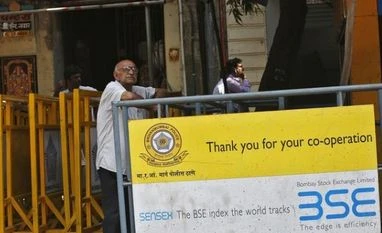 "Market outlook: Post Budget 2016, focus shifts to global events")

